São Paulo Grand Prix Drama: Rain-Hit Interlagos Delays Shake Up Championship Decider
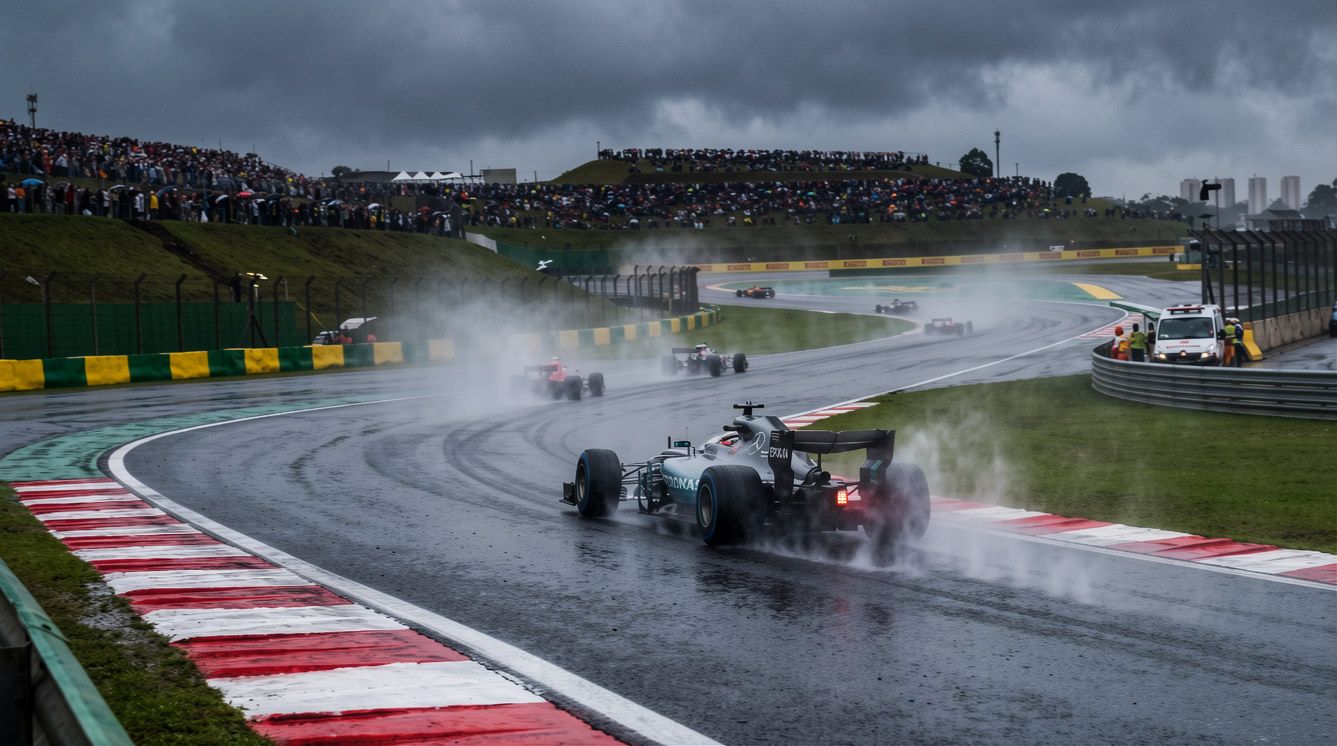
The iconic Autódromo José Carlos Pace delivered another chapter of wet-weather motorsport theater during the São Paulo Grand Prix weekend. Sudden tropical cloudbursts and shifting track drainage challenges across Interlagos forced multiple red flags, strategic tire scrambles, and high-stakes qualifying delays that disrupted baseline grid expectations for Sunday's main event.
Historically renowned for triggering dramatic championship turns, the Brazilian circuit's high-speed sweeping corners and dramatic elevation shifts became an unforgiving test of vehicle balance and aerodynamic stability as teams wrestled with standing water across the asphalt.
Monsoon Conditions and the Qualifying Scramble
Track temperatures plummeted as heavy cloud cover enveloped the circuit ahead of decisive qualifying runs. The initial transition from dry slick tires to intermediate and full wet compounds caused severe grip degradation across the opening sector's iconic Senna S curves.
Key trackside developments during the session included:
- Aquaplaning Red Flags: Race control halted proceedings on multiple occasions to allow circuit sweeps and standing water removal, particularly across the high-speed uphill entry into the start-finish straight.
- Tire Window Gambles: Teams faced an acute operational trade-off between the immediate clearing ability of deep-groove wet tires and the superior cornering speed of intermediate compounds as track moisture shifted unpredictably.
- Grid Penalties and Shuffles: Multiple contenders were caught out by ill-timed yellow flags and sudden sector drenches, leaving established front-runners stranded in the lower half of the provisional grid order.
Constructors' Championship Stakes and Aerodynamic Setups
The São Paulo round represents a decisive strategic battleground in the late-season championship chase. Unlike high-speed power temples such as Monza or Spa, Interlagos demands an intricate compromise between straight-line drag reduction and high-downforce cornering stability.
| Operational Variable | Dry Setup Baseline | Wet Interlagos Configuration |
|---|---|---|
| Ride Height | Aggressively low to optimize underfloor ground effects | Elevated ride height to prevent floor contact and severe aquaplaning |
| Wing Angle & Downforce | Medium-low drag trim for straight-line velocity | Maximum angle of attack to preserve tire temperature and grip |
| Brake Duct Cooling | Restricted airflow to preserve aerodynamic efficiency | Taped and managed to retain heat during extended safety car periods |
| Pit Strategy Flexibility | Predictable one-stop or two-stop tire degradation models | Reactionary pit execution driven by safety cars and weather radar windows |
Key Strategic storylines Ahead of Lights Out
- Start-Line Acceleration: Launching from the unevenly banked grid boxes at Interlagos in slippery conditions frequently creates opening-lap collisions before the pack funnels into Turn 1.
- Pace of Recovery Drives: Leading drivers caught down the order must weigh aggressive early overtakes against the elevated risk of spinning off greasy kerbs and runoff grass.
- Safety Car Frequency: Historical data shows a significantly higher-than-average safety car probability in wet Brazilian races, providing tactical opportunities for backmarkers to execute opportunistic undercut stops.
What Lies Ahead
With unpredictable weather patterns expected to linger over the São Paulo valley throughout race day, the Grand Prix promises an unpredictable operational showdown where pit-wall telemetry calls, tire preservation, and driver discipline in the wet will outweigh pure engine horsepower.