US Strikes Iran: Qeshm Island Attack Raises Fears of Wider Conflict
US Strikes Iran: Qeshm Island Attack Raises Fears of Wider Conflict
The United States has carried out limited military strikes on Iran's Qeshm Island, raising concerns about renewed conflict in the Middle East. The operation took place on November 2, 2026, according to US officials.
American officials described the strikes as defensive measures intended to protect US forces from Iranian missile threats. The incident comes as Washington and Tehran continue diplomatic efforts to prevent a wider escalation.
What Happened on Qeshm Island?
Qeshm Island is located near the Strait of Hormuz, one of the world's most important maritime routes for international energy supplies.
US officials said the strikes targeted Iranian missile launchers and other military capabilities considered a threat to American assets in the region.
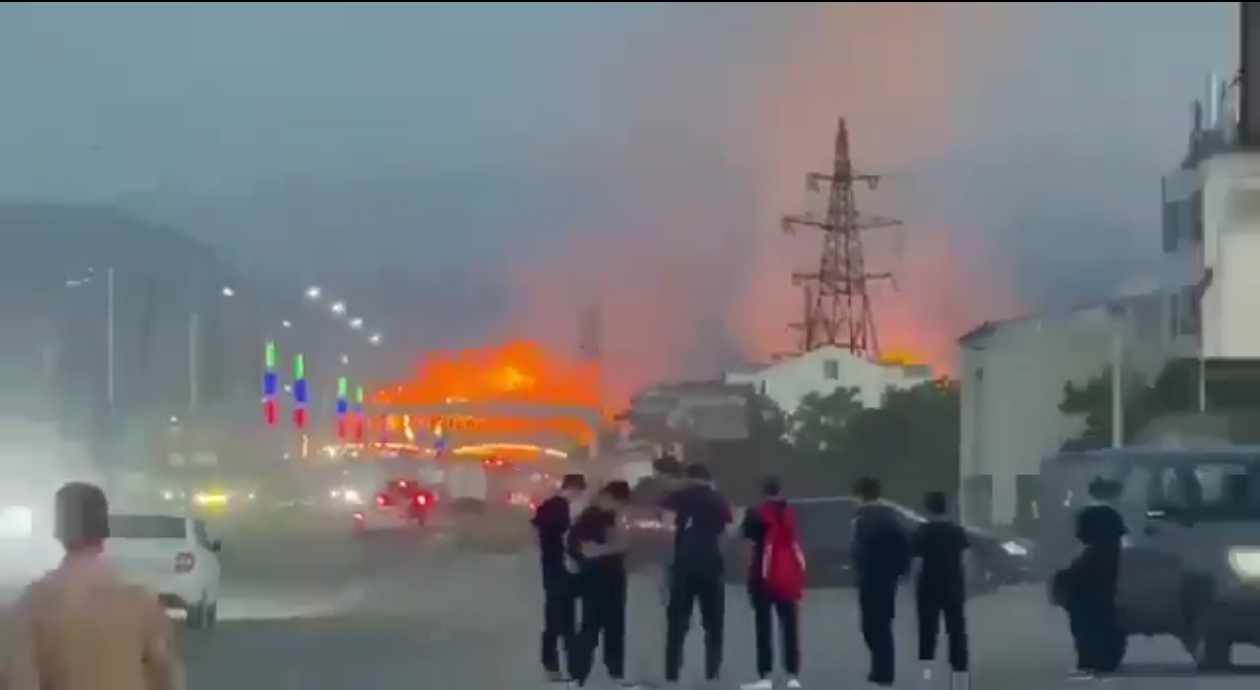
Iranian state media reported explosions on the island and nearby areas. The full extent of the damage and any casualties had not been independently confirmed in initial reports.
Why Did the United States Carry Out the Attack?
According to US officials, the operation was intended to respond to threats against American forces and prevent further attacks.
The United States has maintained a military presence in the region amid tensions over shipping through the Strait of Hormuz and Iran's military activities.
Washington has said that protecting its personnel and maintaining maritime security remain important priorities.
Iran's Response
Iran has condemned US military action and warned that it reserves the right to defend itself against further attacks.
Iranian officials have also indicated that negotiations with the United States remain possible, although major disagreements continue over sanctions, security, and access to the Strait of Hormuz.
The situation remains uncertain, and further military action could increase the risk of a wider regional conflict.
Diplomatic Efforts Continue
Despite the latest strikes, diplomatic efforts are continuing through regional mediators, including Qatar.
Negotiations have focused on reducing military tensions, addressing the security of shipping routes, and finding a possible framework for ending the conflict.
Both countries face significant challenges in reaching an agreement, and officials have not announced a final settlement.
Why the Strait of Hormuz Matters
The Strait of Hormuz is a vital route for global oil and gas shipments. Any prolonged disruption could affect energy prices, shipping costs, and international trade.
Military tensions in the area can also create uncertainty for commercial vessels and countries that depend on energy supplies from the Gulf region.
What Happens Next?
The coming days may prove important for determining whether the latest strikes lead to further military action or renewed diplomatic progress.
International governments are watching the situation closely, with concerns about civilian safety, regional stability, and the potential impact on the global economy.
Conclusion
The US strikes on Qeshm Island represent another significant development in the ongoing conflict between Washington and Tehran.
While US officials describe the operation as defensive, Iran has condemned the action and warned of possible consequences. Continued diplomacy may offer a path toward reducing tensions, but the situation remains fragile.
Stay connected with Factoramedia for the latest USA news, international developments, and updates on the Middle East conflict.
Related articles