Brewers' First World Series Title Arrives Just Before Baseball's Lockout Showdown
Brewers' First World Series Title Arrives Just Before Baseball's Lockout Showdown
For nearly six decades, Milwaukee waited. On October 28, the wait ended. Now, barely a week later, baseball faces a different question: will there be a 2027 season on time?
A Title Nearly 60 Years in the Making
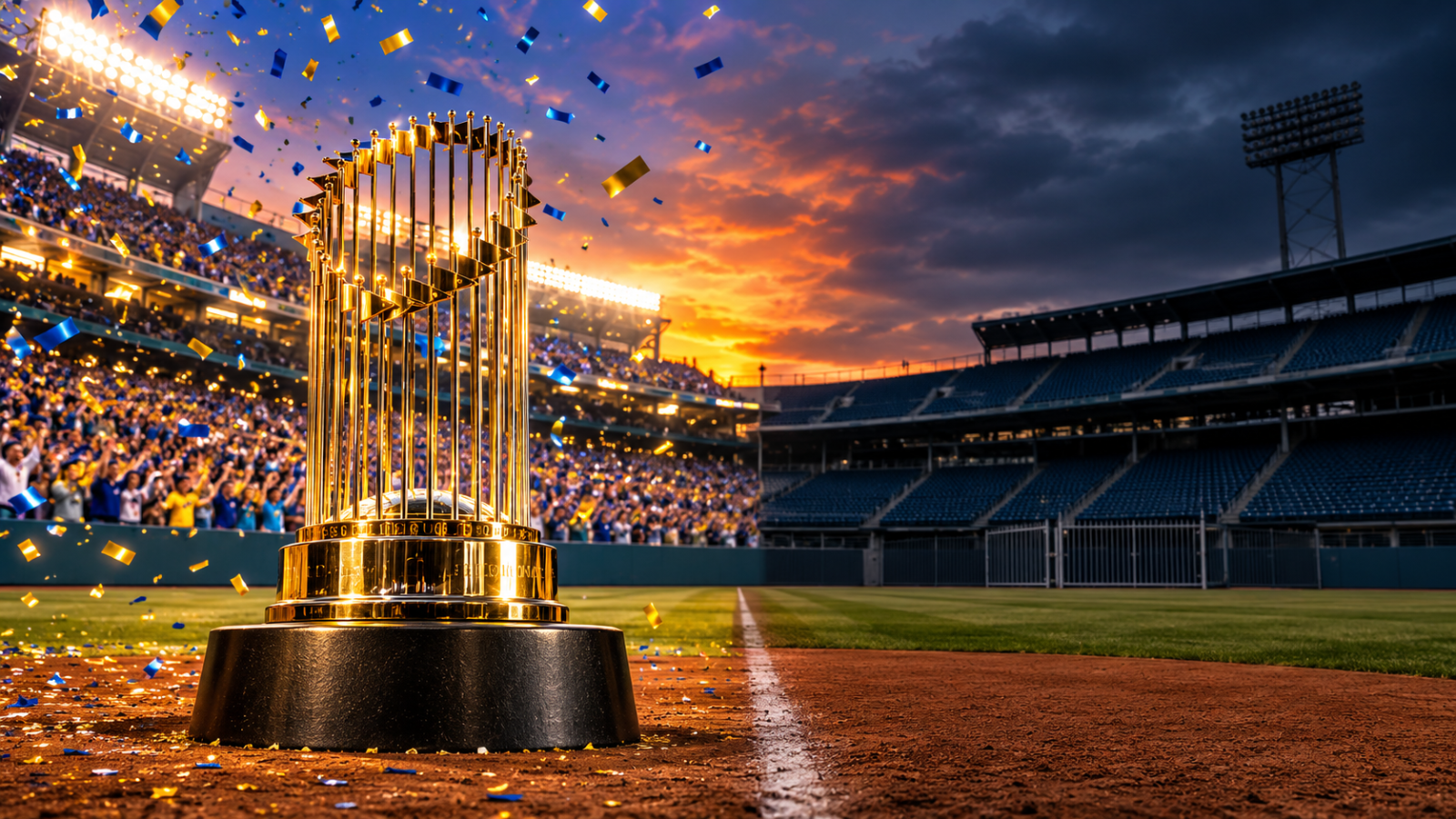
The Milwaukee Brewers beat the Tampa Bay Rays 4-1 in Game 5 at Tropicana Field in St. Petersburg, Florida, to win the 2026 World Series four games to one. It is the first championship in franchise history. The club began life as the Seattle Pilots in 1969, and its only earlier trip to the World Series ended in a seven-game loss to the St. Louis Cardinals in 1982.
The celebration was briefly delayed. Tampa Bay forced extra innings in Game 4 with a late comeback that stretched into the 12th inning, which pushed the clincher back a day. When it finally came, young ace Jacob Misiorowski threw 5⅔ scoreless innings before a right calf cramp ended his night. Rookie Cooper Pratt added two hits and two RBIs, and closer Trevor Megill finished the job with a soft ground ball to end the game.
The Smallest Market in Baseball
The Brewers play in the smallest market in the majors, and the Rays are also known for spending carefully, which made this a final between two clubs that rarely get to play the role of favourite. Tampa Bay had won the most games in the American League this year and was chasing its own first title.
Catcher William Contreras was named World Series MVP after going 8-for-21 (.381) with four RBIs, including an RBI double in the clincher. But the roster behind him tells the bigger story. Misiorowski, the pitcher who anchored the run, earned just over the league-minimum salary this season, and he won't be eligible for free agency until after 2031. Cheap, young, controllable talent was the engine of this title.
Then Comes December 1
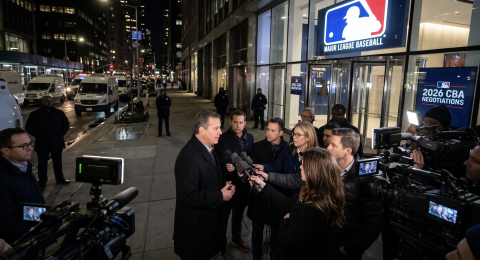
The celebration has a shadow over it. The collective bargaining agreement between MLB and the players' union expires at 11:59 p.m. on December 1, and owners are widely expected to lock players out the next day if there is no new deal. The last lockout ran 99 days, from December 2021 to March 2022, and shortened spring training. This one could be longer, because the sides are further apart on a much bigger issue: a salary cap.
The Salary Cap Fight, Explained
MLB wants a system with both a maximum and a minimum for team payrolls. This week, the league tweaked its offer by proposing to delay the cap and floor until 2028, which would let free agency run as normal this winter. Reported figures put the proposed cap at $258.2 million and the floor at $180.2 million. MLB has also said that, using 2026 payrolls, eight clubs would have to trim a combined $528 million to fit under the cap.
The union has repeatedly said it will not accept a cap. Its counter-proposal is a revised revenue-sharing system that would move more money from big-market clubs to small-market ones.
Each side makes a straightforward argument. Owners say a cap and floor would improve competitive balance between teams with very different payrolls. The union says a free market is what drives player pay, and that a cap would take money out of players' pockets.
Two Ways to Read the Brewers' Title
This part is analysis, not a statement from either side. The Brewers' championship can be read in opposite ways, and both readings are reasonable.
- The case for no cap: A small-market team just won it all without the biggest payroll, so supporters of the current system can argue the game already allows underdogs to succeed through smart scouting and player development.
- The case for a cap: Supporters of a cap can argue that a title like this is rare, and that many small-market fans spend years waiting for a chance that a payroll limit would give them more often.
Neither reading settles the argument on its own. One championship is a single data point.
What to Watch Between Now and December 1
- Whether the union responds to the delayed-cap proposal or rejects it outright
- Whether free agents sign quickly before a possible freeze
- Any movement on the minimum salary, which both sides want to raise
- How long a lockout, if it begins, would last and whether it threatens spring training
The Bottom Line
The Brewers gave baseball a feel-good story at exactly the moment it needed one. But the sport's next big headline may come from a negotiating table and not a ballpark. If the two sides can't bridge the gap on a salary cap, fans could spend this winter waiting again, this time not for a trophy but for the game to come back.