Congo's Ebola Outbreak Tops 11,000 Cases: What You Should Know
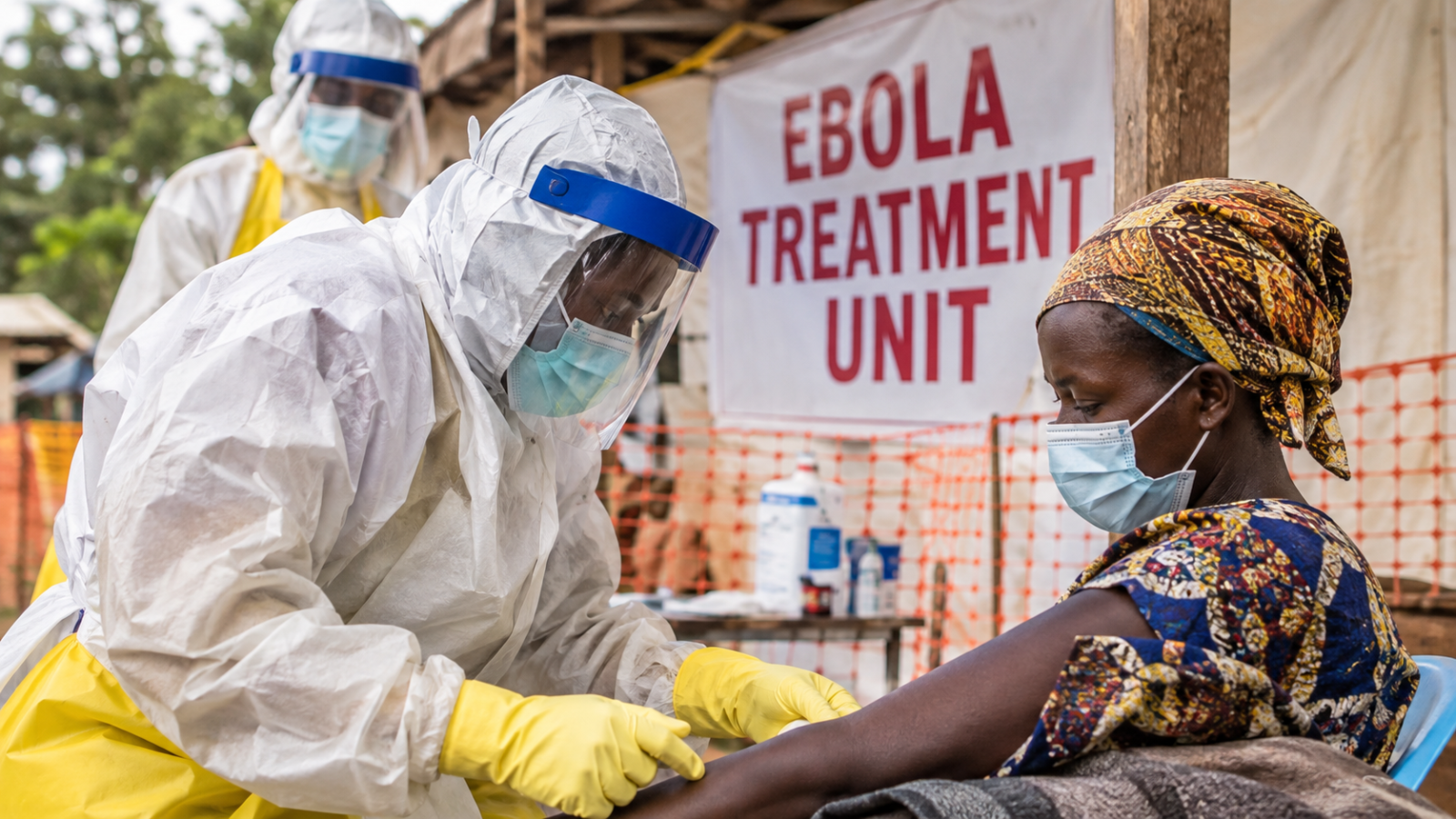
The Ebola outbreak in the Democratic Republic of the Congo has passed 11,000 confirmed cases and more than 5,300 deaths, making it the country's largest Ebola outbreak ever recorded. It is caused by the Bundibugyo virus, a rare species for which no vaccine or treatment is approved. The World Health Organization still classes it as a public health emergency of international concern, but says transmission is slowing in some areas while new hotspots keep appearing in others.
Last updated: 12 November 2026. Case counts change daily and differ slightly between agencies. Check WHO, CDC and your national health ministry for the latest.
Key Takeaways
- As of 11 November, Europe's disease agency (ECDC) counted 11,114 confirmed cases and 5,433 deaths in the DRC. Congo's health ministry reported slightly lower figures the same day, 11,042 cases and 5,387 deaths.
- About 3,000 people have recovered, according to WHO.
- Eight of the DRC's 26 provinces have been affected, and cases have also been reported in Uganda, Kenya, Nigeria and France.
- Insecurity is now one of the biggest obstacles. WHO says more than 1,000 contacts have been lost to follow-up.
- No licensed vaccine or specific treatment exists for Bundibugyo virus. Candidate vaccines and drugs are in trials.
How the Outbreak Unfolded
| Date (2026) | Event |
|---|---|
| Mid-May | Outbreak declared in Ituri Province. Bundibugyo virus is confirmed. WHO declares an international emergency within days. |
| October | Cases reported in Kenya and Nigeria. Uganda's outbreak is declared over. |
| 2 November | ECDC reports 10,532 confirmed cases in the DRC. |
| 11 November | Cases pass 11,000. WHO says the emergency continues but notes signs of slowing in some areas. |
Our arithmetic: ECDC's totals rose by 582 cases between data up to 1 November and data up to 10 November, about 65 new confirmed cases a day. The death toll is nearly half the confirmed cases (5,433 of 11,114, or about 49%). Reporting delays mean the real figures may differ.
What Is the Bundibugyo Virus?
Bundibugyo is one of several Ebola viruses that cause severe illness in people. This is only the second documented Bundibugyo outbreak in the DRC, after one in 2012, and the DRC's 17th Ebola outbreak of any kind. For comparison, the 2014 to 2016 West Africa epidemic, the largest ever, caused roughly 28,600 cases, and the DRC's 2018 to 2020 outbreak caused about 3,500.
Ebola spreads through direct contact with the blood or body fluids of a sick person, or with the body of someone who has died. Symptoms can appear from two days to three weeks after exposure and include fever, vomiting and, in severe cases, internal bleeding. It does not spread like flu, and people generally become contagious when symptoms appear.
Why It Is So Hard to Control
- Insecurity. Armed conflict in eastern DRC limits access. WHO says a nurse was killed and another health worker badly injured responding to an alert in Tshopo province two weeks ago. It also reports gunfire near a treatment centre and an arson attempt on another.
- Lost contacts. More than 1,000 people exposed to cases have been lost to follow-up, and three confirmed cases are unaccounted for.
- Weak health systems and remote roads. Samples and supplies must travel long distances.
- Mistrust and misinformation. Local officials have cited community resistance as a factor.
- No approved tools. Without a vaccine, responders rely on isolation, contact tracing and safe burials.
Where Vaccines and Treatments Stand
Approved Ebola vaccines target the Zaire species, not Bundibugyo. Since May, researchers have moved quickly. WHO has recommended testing three candidates: an Oxford and Serum Institute of India vaccine, an rVSV vaccine from IAVI, and the existing Ervebo vaccine, which animal data suggest might give some cross-protection. Trials are using ring vaccination, in which contacts of cases are offered a shot.
India's Serum Institute reportedly manufactured about 620,000 doses of the Oxford candidate at its own financial risk, including 4,000 for clinical trials. On treatment, a first trial in the DRC is testing drugs including MBP134 and remdesivir, with a further antibody, maftivimab, being added. None is approved for Bundibugyo, and results are not yet final.
What It Means for Readers in the US and India
| Country | Current official position |
|---|---|
| United States | US entry for travellers recently in the DRC is temporarily restricted. Travellers from Uganda or South Sudan must use designated airports for enhanced screening. CDC says avoid all travel to Ituri and North Kivu (Level 4) and reconsider nonessential travel to Haut-Uélé and Tshopo (Level 3). |
| India | The health ministry's May advisory told citizens to avoid nonessential travel to the DRC, Uganda and South Sudan, and said India had reported no cases at that time. |
For people in the US and India with no connection to the affected area, health agencies have said the risk is low. In June, the CDC described the general US risk as low and recommended no change in everyday behaviour. These assessments can change, so rely on the current pages of WHO, CDC and your health ministry. Beware of rumours and fake cures on social media.
What to Watch Next
- Case trend: whether the slowing seen in some areas spreads or new hotspots grow.
- Security: attacks on health workers and treatment centres.
- Contact tracing: how many lost contacts are traced.
- Trial results: early data on candidate vaccines and treatments.
- Spread abroad: any new cases outside the DRC, and any change in WHO's emergency status.
The Factora Take
This outbreak deserves more attention than it gets in many countries. It is the DRC's largest ever, it involves a virus without approved tools, and the biggest barriers are as much about security and trust as about medicine. The encouraging signs are real, with recoveries rising and trials running at unusual speed, but WHO itself warns against mistaking local progress for control. For most readers, the practical step is to follow official updates and avoid panic.
This article is for general information only and is not medical advice. If you have travelled to an affected area and feel unwell, contact your local health authority or doctor and tell them about your travel before visiting a clinic.
Frequently Asked Questions
How many people have been infected in the Congo Ebola outbreak?
As of 11 November 2026, ECDC reported 11,114 confirmed cases and 5,433 deaths in the DRC. Congo's health ministry gave 11,042 cases and 5,387 deaths on the same day, so figures vary slightly by source.
What is Bundibugyo Ebola?
It is one of several Ebola viruses that cause severe disease in humans. Unlike the Zaire species, it has no licensed vaccine or approved treatment.
Is there a vaccine?
No approved vaccine exists for Bundibugyo. Several candidates, including one co-developed with India's Serum Institute, are being tested.
Is Ebola a risk in the US or India?
Health agencies have described the risk to the general public outside affected areas as low. The US has entry restrictions and screening, and India has issued a travel advisory. Check current official guidance.
How does Ebola spread?
Through direct contact with the blood or body fluids of a sick person or with the body of someone who has died. It is not spread like a common cold or flu.
Related articles