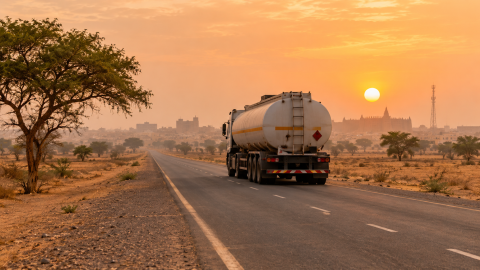
Why Oil and Fuel Still Cost So Much After Hormuz Partly Reopened: What It Means for India
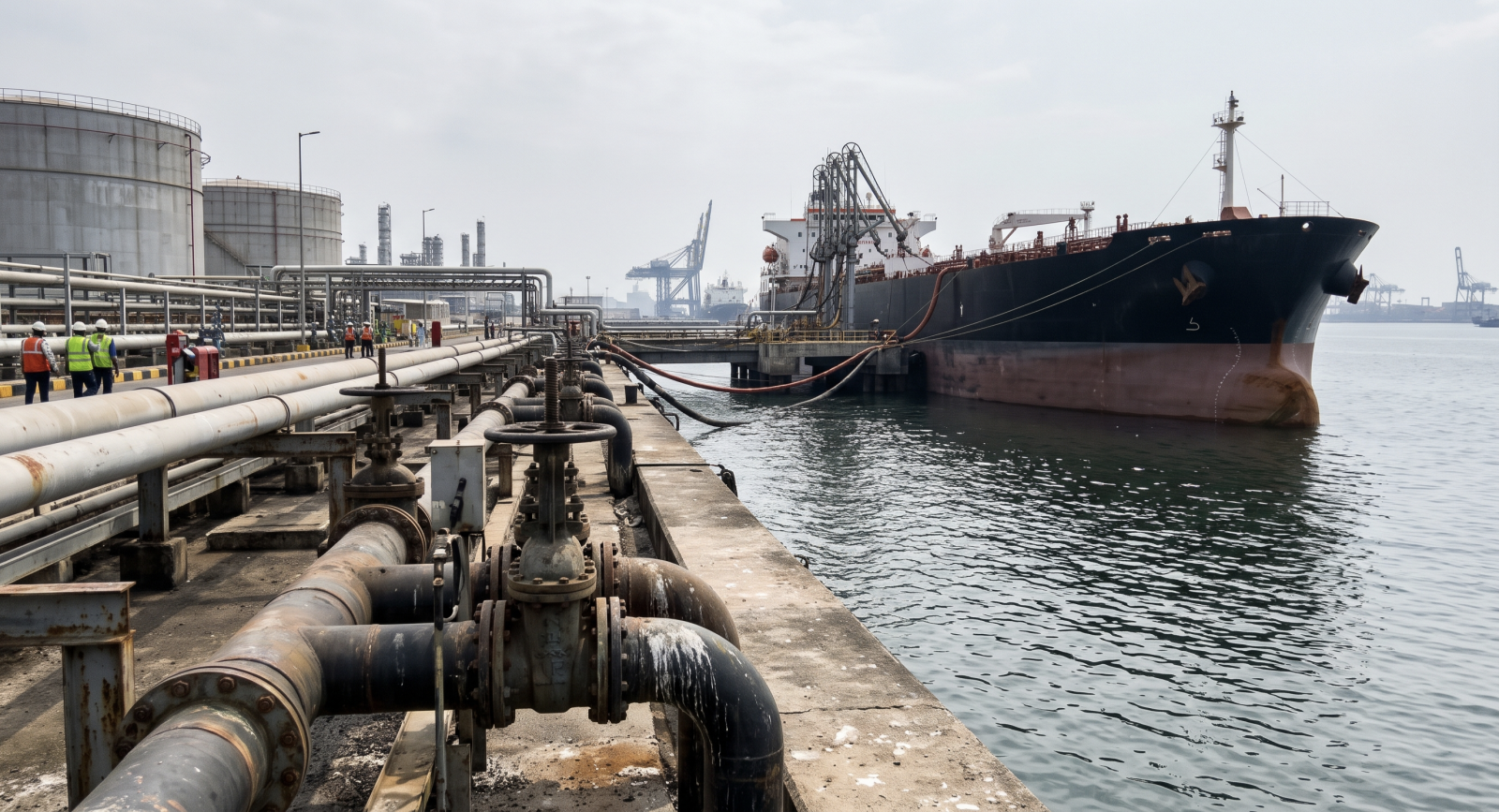
Last updated: 10 November 2026. Oil prices and shipping data change daily, so figures below are approximate and reflect the situation at the time of writing.
The Strait of Hormuz has partly reopened and the worst of the fighting is over, yet oil, petrol and diesel remain far more expensive than before the Iran war began. For households and businesses, especially in oil-importing countries like India, the obvious question is why prices have not simply fallen back. The short answer is that the price of oil is no longer just about how much crude is moving. It is about what it now costs, and how risky it is, to move it.
Key Takeaways
- Roughly one-fifth of the world's oil trade passes through Hormuz, which is why disruption there is felt everywhere.
- Oil flows have recovered a long way, but shipping, insurance and crew costs have risen sharply, and these costs end up in the final price.
- Attacks on commercial ships have continued even after major fighting stopped, keeping a risk premium in the market.
- Prices have eased in early November on hopes of talks, but they remain well above pre-war levels.
- India has so far shielded most consumers from pump-price shocks, but that protection has a cost for oil companies and the government.
How We Got Here
Before the crisis, about 20 million barrels of oil a day crossed the Strait of Hormuz, along with large volumes of liquefied natural gas. When traffic through the strait was severely restricted from late February 2026, the International Energy Agency described it as the largest supply disruption in the history of the oil market. Member countries agreed to release 400 million barrels from emergency stocks in March to soften the blow.
Brent crude, the global benchmark, jumped to around $118 a barrel in late March. A ceasefire in April and later easing of traffic brought prices down sharply, to roughly $70 by the start of July. But the relief did not last. Prices climbed back above $100 in late July, moved between the high $80s and high $90s over the summer, and spent much of the autumn near or above $100 as ship attacks continued.
In early November, prices fell below $100 for the first time since September, and they dropped again after signs that talks over Iran's nuclear programme and the full reopening of the strait were making progress. Even so, crude is still far above where it stood a year ago.
Why Prices Stay High Even With Oil Flowing
1. Moving a barrel now costs far more
By late September, oil and refined product flows through Hormuz had recovered to roughly 80 percent of pre-war levels by one widely used tracker. But the journey is much more expensive. Hiring a supertanker for the Gulf route has become dramatically costlier, war-risk insurance has jumped, and crews demand extra pay to sail through a danger zone. One industry estimate put the cost of getting a barrel out of the Gulf at around $33, compared with roughly $2 before the war. That gap is a major reason pump prices have not come down in step with crude.
2. The risk has not gone away
Major fighting has stopped, but tankers have still been hit or set on fire in and near the strait in recent weeks. Every new incident reminds traders that supply can be cut again with little warning, so they keep a risk premium in the price. When markets hear good diplomatic news, prices drop. When another ship is attacked, they rebound.
3. Refined fuel is tighter than crude
Petrol, diesel and jet fuel come from refineries, not directly from the well. When refining capacity is stretched and inventories have been drawn down, refined products can stay expensive even when crude eases. Diesel is especially sensitive because it powers trucks, trains, farm machinery and ships, so its price spreads into food and freight costs.
What It Means for India
India imports close to 90 percent of its crude oil, so it is among the countries most exposed. Before the crisis, around 41 percent of its crude imports, a majority of its LNG and the large bulk of its LPG cooking gas moved through Hormuz, according to widely cited trade data. The government has said India now sources crude from about 40 countries, with roughly 70 percent of imports arriving by routes outside the strait.
For consumers, the impact has been cushioned. Retail petrol and diesel prices have been held largely steady, helped by cuts in excise duty and by oil marketing companies absorbing part of the cost. The trade-off is that those companies and the public finances carry the burden instead, and a weaker rupee makes every imported barrel costlier. If high prices persist, the pressure for pump-price increases, higher subsidy spending or both does not disappear.
Beyond petrol and diesel, a high oil price feeds into airfares, fertiliser, plastics, packaging and transport costs, which is how an energy shock turns into broader inflation.
What to Watch Next
- Talks on the strait: A credible agreement to fully reopen it and end attacks would lower risk premiums fastest.
- Ship attacks and daily crossings: New incidents tend to push prices up within hours.
- Insurance and freight rates: These are a better signal of real normalisation than headline crude prices.
- Government and company decisions in India: Excise changes and any move on pump prices will show who ends up paying.
The Factora Take
The most important lesson of this crisis is that "the strait is open" and "energy is cheap again" are two very different statements. A chokepoint that works, but at ten times the cost and with constant risk, still raises prices for everyone downstream. Real relief will come only when shipping becomes safe and cheap again, not merely when more tankers pass through.
Frequently Asked Questions
Why is the Strait of Hormuz so important?
It is a narrow waterway between the Gulf and the open ocean, and roughly one-fifth of the world's oil trade passes through it, along with major LNG shipments.
If more oil is flowing, why are fuel prices still high?
Because shipping, insurance and crew costs have jumped, attacks on ships continue to add risk, and refined fuels like diesel remain tight even when crude eases.
Will petrol and diesel get cheaper in India?
That depends on how long crude stays lower and on government and oil company decisions. Pump prices have been held steady rather than moving with every swing in global crude, so they may not fall quickly either.
What would bring prices down fastest?
A lasting agreement that fully reopens the strait and ends attacks on commercial ships, followed by lower insurance and freight costs.
Related articles