Paraguay's Bank Collapse Toppled a President: What Happened
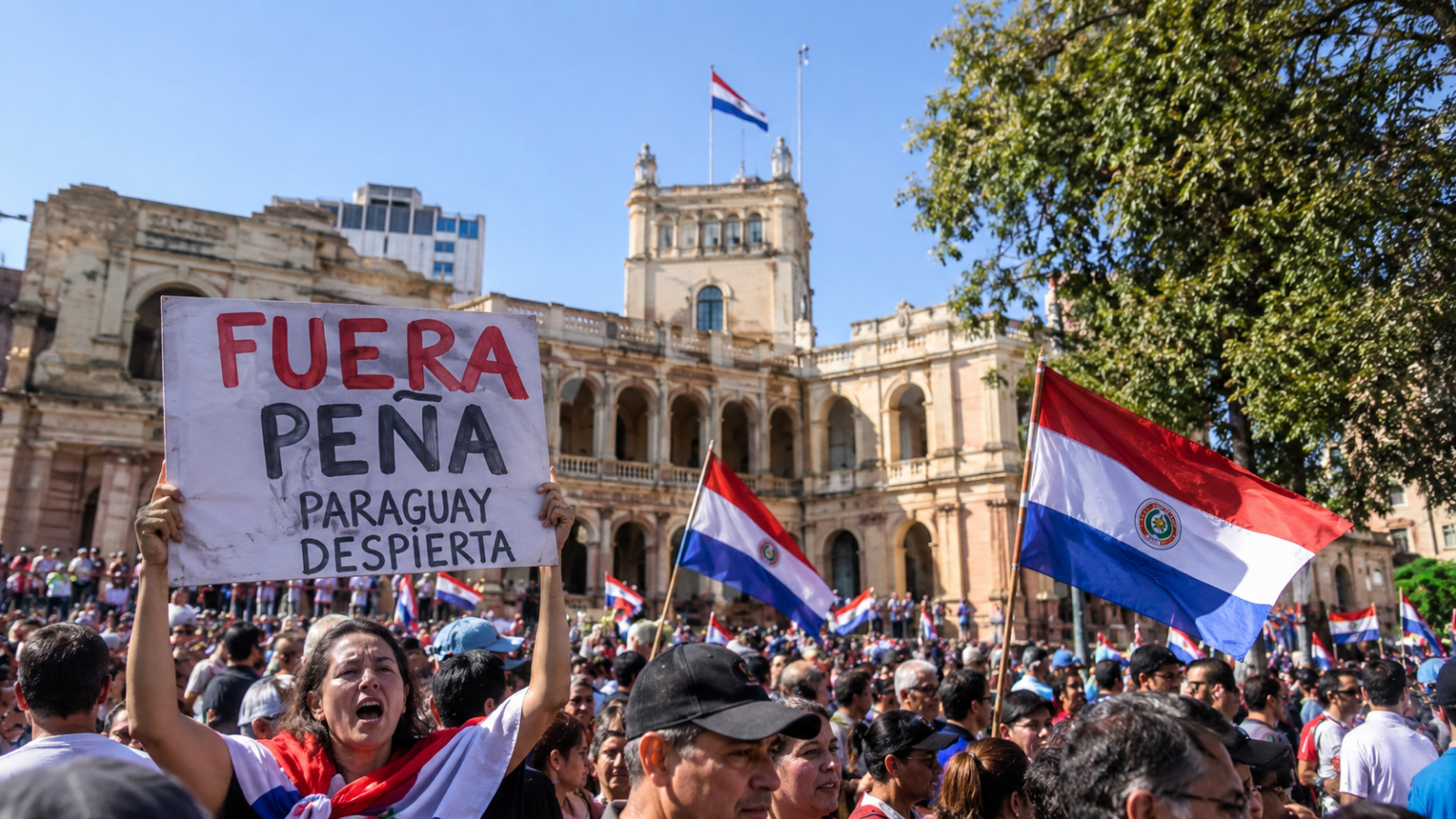
Paraguay's president, Santiago Peña, was removed from office on 6 November 2026 and placed under house arrest after the collapse of Ueno Bank, a fast-growing digital lender, froze the accounts of nearly three million people. Prosecutors accuse him of breach of trust, influence peddling and using public office for personal gain. Peña denies wrongdoing. The story is one of the year's biggest bank-failure shocks, and it has received far less attention outside Latin America than it deserves.
Last updated: 11 November 2026. This is a fast-moving story. Payout figures, legal steps and official statements can change quickly.
Key Takeaways
- Ueno Bank customers lost access to their money around 3 November, when the central bank stepped in over insolvency concerns.
- Peña offered to resign on 5 November. The Senate then voted 44 to 0 to remove him on 6 November, making him the second president ousted by impeachment since 1989.
- Vice President Pedro Alliana was sworn in and will serve until August 2028.
- Deposits are insured up to about $35,000, which the central bank says covers 97% of Ueno's customers. By 10 to 11 November, nearly all eligible savers had received at least part of their money.
- The bank also held more than $800 million of public money, including pension funds, and those funds are not covered by the same payouts.
What Was Ueno Bank?
Ueno began as a small, digital-first financial technology company that attracted many lower-income customers through a mobile app. Within about three years it grew into a major bank that handled state pensions and the accounts of several government bodies, according to the central bank's own data as reported by international agencies.
That rapid growth is central to the story. Critics, including a political scientist at the National University of Asunción, say Paraguay's central bank lost credibility and relaxed its controls under Peña. The central bank, for its part, has called the failure an isolated case and says the wider financial system is safe.
How It Unfolded
| Date (2026) | Development |
|---|---|
| 3 November | Customers find they cannot reach their money in the Ueno app. The central bank intervenes. |
| 5 November | Protests grow. Peña offers to resign as his own Colorado Party turns on him. First payouts begin for small balances. |
| 6 November | The Senate votes 44 to 0 to remove Peña. He is placed under house arrest. Alliana is sworn in. |
| 10 to 11 November | Authorities say nearly all eligible depositors have been at least partly repaid. A new attorney general vows to recover state funds. |
What Is Alleged, and What Peña Says
Lawmakers accuse Peña of using his political influence to steer hundreds of millions of dollars in public money into Ueno while regulators ignored risky lending to people tied to the bank. Prosecutors cite breach of trust, influence peddling and using public office for personal gain. The most serious charges carry up to 10 years in prison, according to reports. An arrest order also covered the central bank chief, whom Peña had installed.
Peña has denied wrongdoing. Weeks before the failure, he defended the bank and said a regulatory inquiry did not mean it would close, adding that the media was frightening people. These are allegations at an early stage and no court has delivered a final verdict. Readers should check the latest reporting on his legal status, since the process is moving fast.
Are Depositors Getting Their Money Back?
Mostly for small savers, but not yet for everyone. Paraguay's deposit guarantee fund insures balances up to about $35,000. Payouts started with balances up to 10 million guaraníes, about $1,500.
The numbers differ by source and by day. On 10 November, President Alliana said about $330 million had been paid to 1.74 million savers, nearly 95%. Central bank data cited the same day put $340 million over four days, reaching close to 1.7 million people. On 11 November the central bank said every eligible depositor had received at least part of their savings, with one report putting the total near $643 million. Money above the insured amount will wait until Ueno's assets and liabilities are moved to other institutions, a process the central bank said would start next week.
Pension and other public money is a harder problem. The guarantee fund covers individual savers, not institutional deposits, so the government has promised to recover those funds separately but has not said how long it will take.
Why Readers Outside Paraguay Should Care
The collapse is a case study in three risks that exist everywhere: fast-growing digital banks, politically connected lenders and weak oversight. It also shows how deposit insurance works in practice. The table compares Paraguay's cover with the United States.
| Country | Insured amount per depositor |
|---|---|
| Paraguay | About $35,000 |
| United States (FDIC) | $250,000 per depositor, per insured bank, per ownership category |
Our arithmetic: Paraguay's cover is roughly 14% of the US limit ($35,000 divided by $250,000). India's deposit insurer, DICGC, also publishes a per-depositor limit, which readers can check on its website.
What to Watch Next
- The legal case: formal charges, hearings and any court decision on Peña.
- Ueno's assets: the transfer to other banks, and what happens to balances above the insured amount.
- Pension funds: how much public money can be recovered and how quickly.
- Regulatory changes: whether Paraguay tightens oversight of digital banks and the central bank.
- Political fallout: how the governing party and the new government handle the crisis ahead of the 2028 term end.
The Factora Take
The speed of this collapse is the real warning. A lender that did not exist as a bank a few years ago held public pensions, and a president fell within days of customers being locked out. It reminds readers that safe banking depends as much on honest supervision as on the bank itself. For ordinary savers anywhere, the practical lessons are simple and unglamorous: know your deposit insurance limit, spread large balances across insured institutions, and treat rapid growth with caution.
This article is for education and information only. It is not personalised financial or legal advice. Banking and deposit-insurance rules differ by country, so check the rules that apply to you.
Frequently Asked Questions
What happened to Paraguay's president?
The Senate removed President Santiago Peña on 6 November 2026 after the collapse of Ueno Bank. He was placed under house arrest and faces allegations from prosecutors, which he denies.
Who is running Paraguay now?
Vice President Pedro Alliana was sworn in as president on 6 November and is due to serve until August 2028.
How many people were affected by Ueno's collapse?
Reports put the number of affected customers at about 2.9 million, which is roughly half the country's population by most counts. The total harmed is larger than the number of direct clients, because the bank held public funds.
Are Paraguayan savers getting their money back?
Nearly all eligible depositors have received at least a partial refund from the deposit guarantee fund. Larger balances and pension money will take longer.
Is Peña guilty?
No court has ruled. Prosecutors and lawmakers have made allegations, and Peña denies wrongdoing.
Related articles