
Silver Rates Today in India: Spot Prices, City-Wise Bullion Rates, and Key Market Drivers
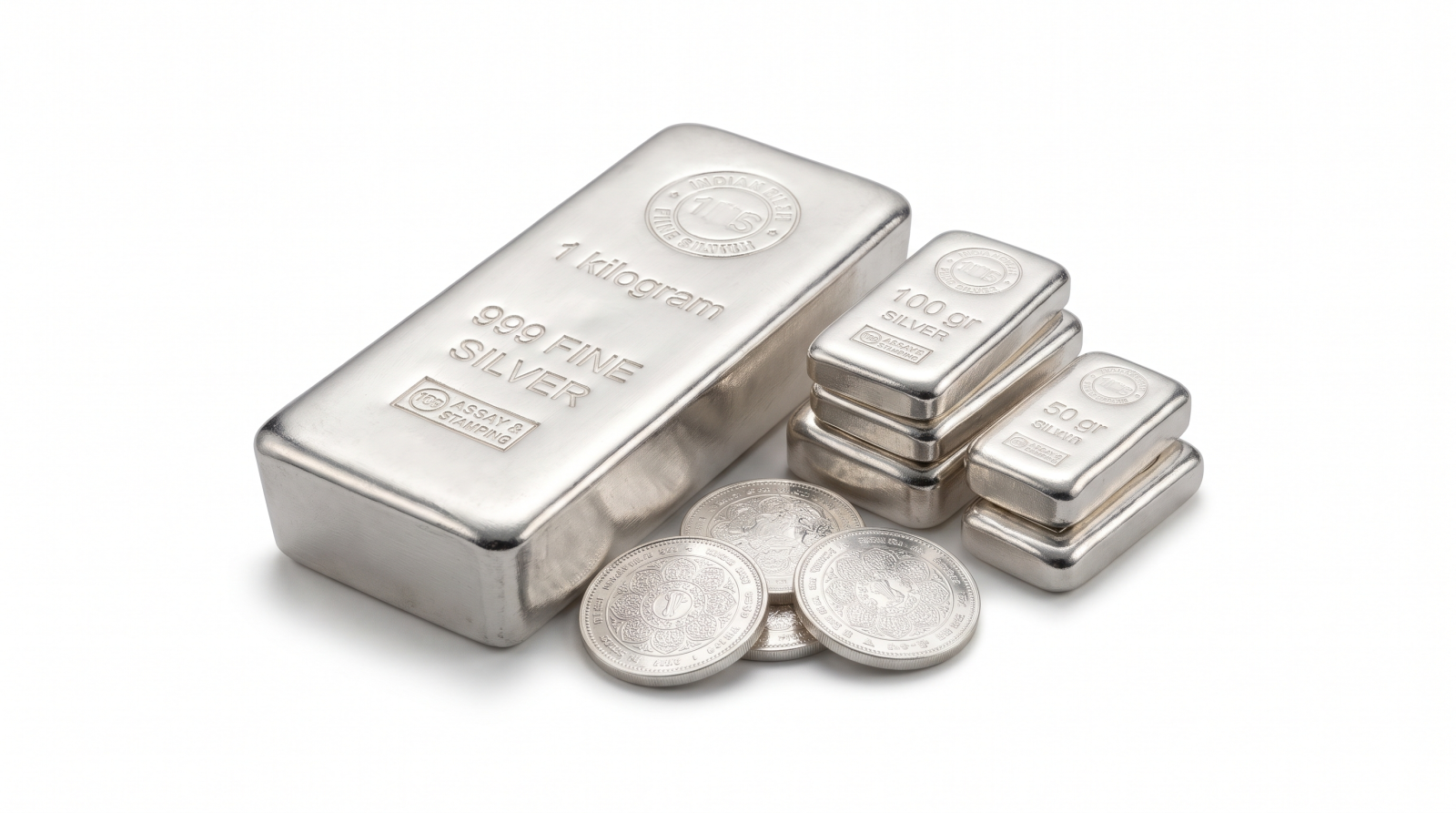
Silver rates across domestic Indian markets experienced targeted consolidation this morning, reflecting active spot adjustments on the Multi Commodity Exchange (MCX) and steady shifts in international dollar benchmarks. Bullion dealers and spot jewellers reported steady retail inquiries, balanced by persistent industrial consumption in clean-energy and electronics manufacturing channels.
Domestic silver contracts trade in tandem with global Comex bullion valuations, alongside adjustments for local import tariffs, exchange rate margins, and state-level value-added levies.
Today's Silver Price Snapshot Across Major Indian Metros
Retail spot rates for refined 999-grade fine silver across tier-one bullion trading hubs show localized variations influenced by logistics fees and municipal supply channels:
| City / Metro | Silver Rate (per 10 Grams) | Silver Rate (per 100 Grams) | Silver Rate (per 1 Kilogram) |
|---|---|---|---|
| Delhi | ₹985 | ₹9,850 | ₹98,500 |
| Mumbai | ₹985 | ₹9,850 | ₹98,500 |
| Chennai | ₹1,030 | ₹10,300 | ₹1,03,000 |
| Kolkata | ₹985 | ₹9,850 | ₹98,500 |
| Bengaluru | ₹985 | ₹9,850 | ₹98,500 |
| Hyderabad | ₹1,030 | ₹10,300 | ₹1,03,000 |
Note: Quoted prices reflect base wholesale bullion estimates. Retail purchasing rates at jewelry outlets are subject to additional Goods and Services Tax (GST) at 3%, plus maker premiums and hallmarking charges.
Primary Drivers Influencing Domestic Silver Trajectories
Unlike gold, which functions predominantly as a monetary store of value and reserve hedge, silver operates under a dual mandate: monetary precious metal dynamics and essential industrial commodity requirements.
1. Expanding Industrial and Renewable Energy Uptake:
The modern photovoltaic (solar cell) industry and the global automotive transition toward electric vehicle (EV) electronics continue to demand significant physical silver reserves. This baseline industrial consumption sets a firm floor for physical deliveries even during periods of equity market stability.
2. Currency Fluctuations (USD/INR):
Because international silver is priced in United States Dollars (USD), any depreciation in the Indian Rupee raises landed domestic import costs, which directly elevates spot rates across Indian mandis and exchanges.
3. Central Bank Interest Rate Expectations:
Precious metals yield no nominal interest. Consequently, institutional traders closely align position sizes with central bank guidance on bond yields and federal rate trajectories. Higher borrowing yields create near-term volatility, while monetary easing typically triggers bullion inflows.
Retail Silver Buying: Hallmarking and Verification Checks
For individuals and institutional accumulators evaluating retail silver bars, coins, or artifacts, industry standards emphasize strict physical verification:
- BIS Hallmarking Standards: Confirm the presence of Bureau of Indian Standards (BIS) hallmark stamps indicating purity grades—predominantly 999 (99.9% fine silver for investment bars/coins) or 925 (sterling silver for durable decorative jewelry).
- Making Charge Transparency: When purchasing purely for investment or wealth protection, bullion bars and standardized minted coins carry drastically lower making fees compared to complex ornamental silver jewelry.
- Repurchase and Buyback Terms: Ensure that purchase invoices document transparent weight, purity declarations, and standard market-rate buyback policies to avoid discounts during future redemptions.
Related articles