
Strait of Hormuz Standoff: Naval Escalation Sparks Fresh Volatility Across Global Oil Chokepoints
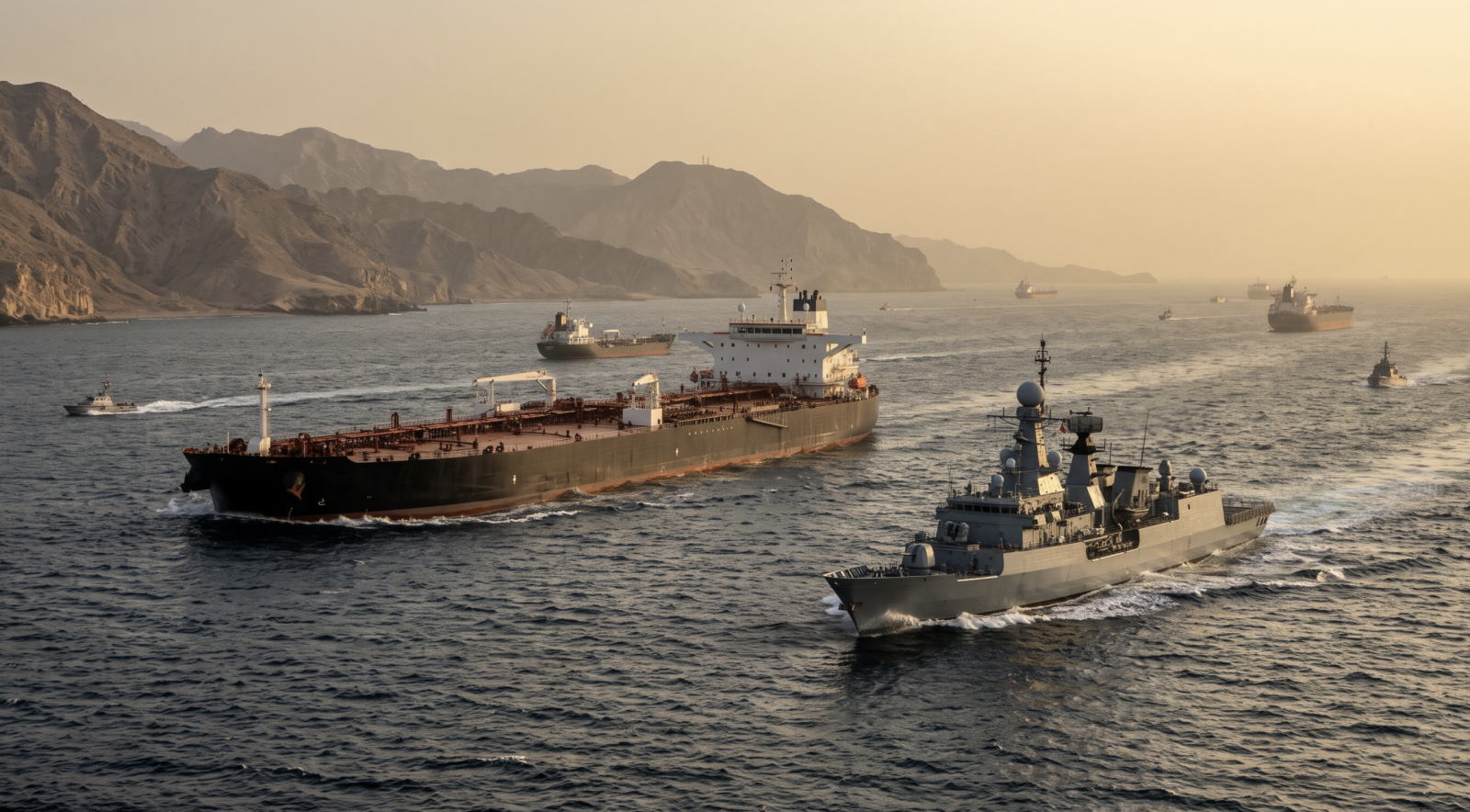
International maritime trade has been pushed into a defensive posture following heightened naval deployments and targeted vessel maneuvers along the narrow waterway of the Strait of Hormuz. With roughly one-fifth of the world’s petroleum consumption transiting through this tight geographic passage, the escalating military signaling has triggered immediate adjustments across global energy markets, crude futures, and marine insurance underwriters.
The geopolitical friction comes amid stalled regional diplomatic talks and increased naval patrols by Western task forces operating in Gulf waters, transforming routine commercial transit lanes into highly militarized corridors of operational risk.
The Anatomy of the World's Vital Energy Chokepoint
Connecting the Persian Gulf to the Gulf of Oman and the Arabian Sea, the Strait of Hormuz measures just 21 miles wide at its narrowest boundary, with navigable inbound and outbound commercial shipping lanes spanning only two miles in each direction.
Because there are virtually no viable alternative pipeline bypasses capable of handling the volume of oil extracted by Middle Eastern producers, any physical interruption or threat of interdiction carries immediate consequences for consumer economies across Europe, Asia, and North America.
Key pressure points currently destabilizing the corridor include:
- Electronic Warfare and GPS Spoofing: Merchant captains have logged persistent electronic navigation anomalies and automatic identification system (AIS) signal disruptions, complicating nighttime transit through crowded choke areas.
- War-Risk Insurance Premiums: Marine underwriters have revised vessel risk premiums upward by double-digit margins within hours of reported naval posturing, substantially raising transport freight rates for crude shipments.
- Escort Protocols: International naval coalitions have placed fast-response frigates and aerial surveillance drones on constant alert to protect deep-draft supertankers navigating congested traffic separation schemes.
Market Impact: Freight Rates vs. Strategic Reserves
The immediate reaction to the corridor's tensions has manifested not merely in benchmark crude prices, but throughout downstream logistical chains, tanker leasing contracts, and regional refining margins.
| Sector | Operational Impact | Primary Risk Factor |
|---|---|---|
| Crude Oil Markets | Immediate risk-premium surge across Brent and WTI crude futures | Sudden physical delivery shortages to major Asian import hubs |
| Maritime Logistics | Tanker reroutings and speed calibrations to minimize daytime exposure | Higher bunker fuel consumption and port turnaround delays |
| Insurance Underwriting | Mandatory wartime transit declarations and higher surcharges | Hull damage liability and collateral seizure risks |
| Refining Industry | Drawdown of domestic strategic reserves to hedge supply interruptions | Product margin compressions across jet fuel and diesel refining |
Alternative Routes: Physical Limitations of Oil Bypasses
Energy analysts emphasize that while alternative land pipelines exist—such as Saudi Arabia’s East-West Pipeline to the Red Sea and the UAE’s Abu Dhabi Crude Oil Pipeline running to Fujairah—their combined spare capacity covers only a small fraction of total Gulf crude exports.
- Volume Deficit: The combined bypass capacity of regional pipelines sits well under seven million barrels per day, leaving more than ten million barrels daily dependent strictly on the Strait's open water lanes.
- Secondary Bottlenecks: Diverting crude westward toward the Red Sea introduces secondary maritime vulnerabilities, particularly near the southern Bab-el-Mandeb strait.
- LNG Supply Disruption: Unlike crude oil, liquid natural gas (LNG) shipments from major Gulf exporters possess zero pipeline alternative to bypass the Strait of Hormuz, leaving global gas grids exposed to immediate price swings.
What to Watch Next
As naval task forces maintain alert positions along the perimeter, regional observers are monitoring whether diplomatic backchannels can de-escalate commercial vessel interdictions. Until verifiable de-escalation guarantees are established, global supply chains will continue pricing in an elevated risk premium, keeping energy markets on a volatile footing.
Related articles