UPI Scams in India: How to Stay Safe From Digital Arrest and Payment Fraud
Last updated: 10 November 2026. Scam tactics and official rules change often. For the latest guidance, check NPCI, your bank and the National Cyber Crime Reporting Portal. This article is for general awareness only.
India's digital payment system just hit a new record. In October 2026, UPI handled 25.47 billion transactions worth ₹31.53 lakh crore, according to NPCI data, which is about 23 percent more transactions than a year earlier. On an average day that meant roughly 822 million payments and more than ₹1 lakh crore moving through phones. UPI has made paying for everything from tea to rent almost effortless. But the same speed and scale give fraudsters a bigger pool of people to target, and a fraudulent transfer can be gone in seconds.
Key Takeaways
- UPI crossed 25 billion transactions in a single month for the first time in October 2026, and about 758 banks are now live on it.
- There is no such thing as a "digital arrest" in Indian law. Any call that threatens you with one is a scam.
- Real organisations never ask you to share your UPI PIN, OTP or card details, and you never need to enter a PIN to receive money.
- If you are defrauded, speed matters. Call the national cyber helpline 1930 and inform your bank immediately, because early reporting improves the chance of freezing the money.
- Estimates of total losses differ, but they run into thousands of crores of rupees, so this is not a rare problem.
Why UPI Fraud Keeps Growing
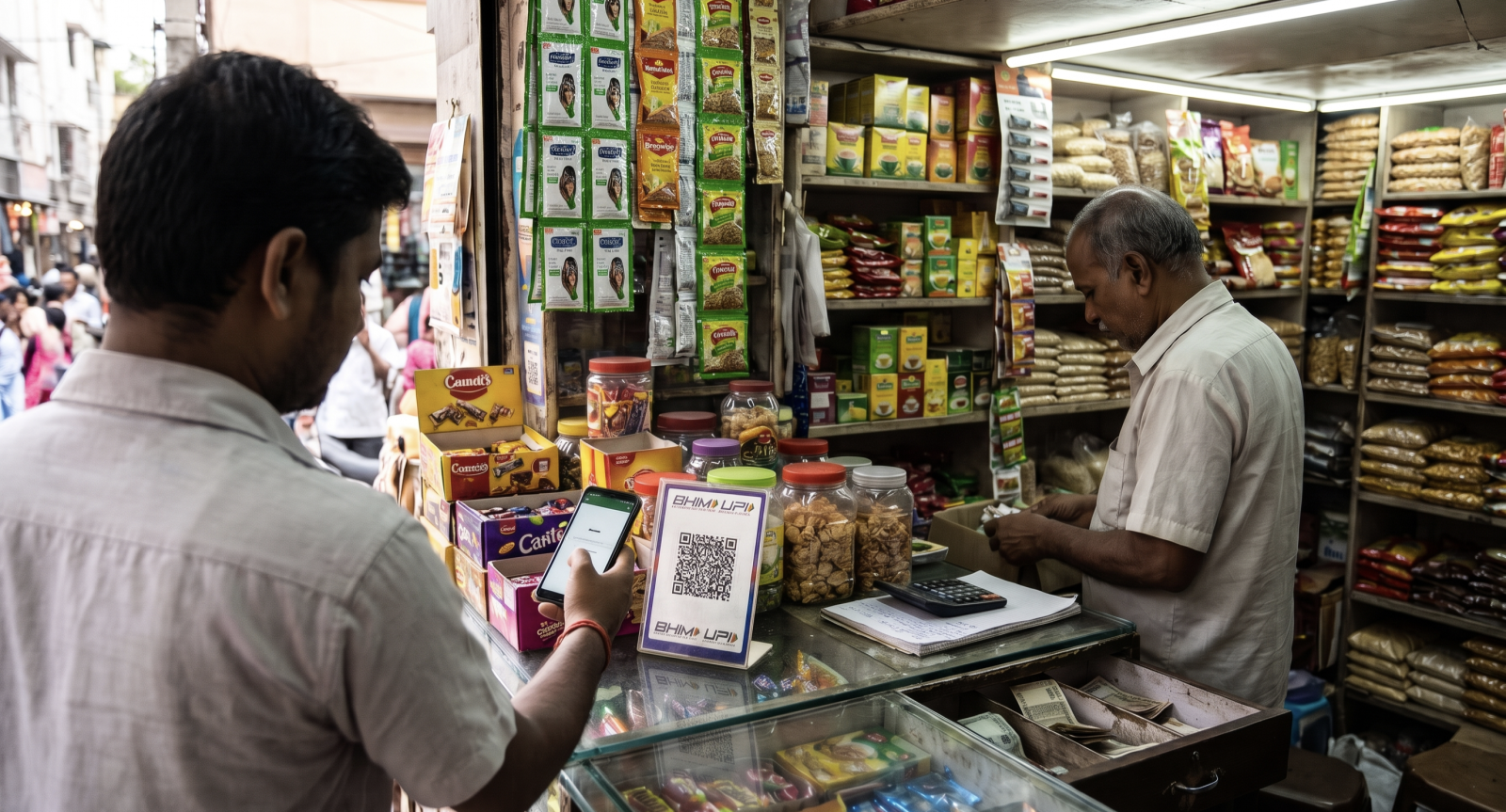
Scammers follow the money and the crowd. UPI is used by hundreds of millions of people, and merchant payments make up roughly 63 percent of all transactions by number. That means most people are making many small payments a day, which builds habits of tapping, scanning and approving quickly. Criminals exploit those habits, and they also exploit fear, urgency and trust in authority. In most cases the criminal does not hack your phone or your bank. They trick you into approving the payment yourself.
One breakdown attributed to the Indian Cyber Crime Coordination Centre (I4C) found that investment scams caused the largest share of financial losses, with so-called digital arrest scams and card fraud making up smaller but still significant shares. The exact numbers vary by source and year, but the pattern is clear: the biggest losses come from schemes that build trust or fear over days or weeks, not from a single stolen password.
The Most Common Scams to Watch For
1. "Digital arrest" calls
The caller claims to be from the police, a central agency, customs, a courier company or even the RBI. They say you are linked to a crime, tell you that you are under "digital arrest", and pressure you to stay on a video call, keep it secret and move money to a "safe account" to prove your innocence. This is entirely fake. No agency arrests anyone over a video call or asks for money to clear a case. The correct response is to hang up and call 1930.
2. Fake KYC, bank or SIM warnings
A message or call says your account, SIM or UPI will be blocked unless you "update KYC" through a link or by sharing an OTP. Banks do not do this. Do not click the link, and contact your bank only through the number on its official website or the back of your card.
3. "Collect request" and wrong-transfer tricks
You get a payment request framed as a refund, prize or cashback. Remember: you only enter your UPI PIN to send money. If a screen asks for your PIN to "receive" money, it is a trap. Another trick is a stranger who "accidentally" sends you money and then pressures you to send it back through a different route, so always return funds through your bank and not to a new number or link.
4. Investment, trading and "task" scams
You are added to a messaging group promising high guaranteed returns, or offered easy money for liking videos or completing online tasks. Early small payouts build trust, then you are asked to deposit larger amounts that you cannot withdraw. Guaranteed high returns are a warning sign, not a bonus. This is the same pressure we warned about in our guide on protecting your savings during high inflation, where unrealistic promises often target people worried about rising prices.
5. Fake customer care and screen-sharing apps
A number found through a quick search result or a social media post turns out to be a scammer posing as customer support. They ask you to install a remote-access or screen-sharing app and then watch you enter your PIN. Never install such an app on someone's instruction, and always get support numbers from official websites or apps.
Seven Rules That Block Most Fraud
- Never share your UPI PIN, OTP, card CVV or passwords. No bank, government agency or company needs them.
- Pause when you feel urgency or fear. Scams depend on you acting before you think. Hang up, and call back on an independently verified number.
- Check the name before you pay. Since 1 June 2026, UPI apps are expected to display the bank-registered name of the recipient so you can confirm it matches the person or shop you intend to pay. If the name looks wrong, stop.
- Scan QR codes only to pay. Scanning a QR code never makes you receive money.
- Do not install remote-access apps or share your screen with strangers.
- Lock your apps and set sensible limits. Use a phone lock, a separate app lock and, where your bank allows it, a lower daily UPI limit for the account you use every day.
- Keep your phone and apps updated, and download payment apps only from official stores.
If You Have Been Scammed: Act Within Minutes
- Call 1930, the national cyber fraud helpline, immediately. The sooner you report, the better the chance that the money can be frozen.
- Inform your bank through its official helpline and ask it to block the transaction and your card or UPI access if needed.
- File a complaint on the National Cyber Crime Reporting Portal (cybercrime.gov.in) and keep the complaint number.
- Save evidence: screenshots, phone numbers, transaction IDs, chat history and call times. Do not delete anything.
- Change your UPI PIN and passwords, and remove any suspicious app from your phone.
- Report suspicious calls and messages using the Sanchar Saathi portal's reporting facility so that numbers can be investigated.
Recovery is never guaranteed, which is why prevention matters most. But reporting quickly is the single best thing you can do, and you should not feel embarrassed. These scams are built by professionals to fool intelligent people.
How to Protect Parents and Senior Citizens
- Tell them plainly that no real officer will ever arrest someone over a phone or video call.
- Agree a family rule: before moving a large sum or buying anything because of a phone call, check with another family member first.
- Set a lower daily transaction limit on their account and enable alerts to a family member's phone if the bank allows it.
- Make sure they know the number 1930 and keep it saved on their phone.
What About the New UPI Merchant Charge?
NPCI planned a merchant discount rate on certain larger merchant payments, and the start date was deferred until after Diwali. Regular person-to-person transfers remain free for users. Rules like this affect shops and payment providers more than everyday customers, but it is worth checking the latest official announcement before assuming anything.
The Factora Take
UPI is one of India's biggest digital successes, and it is not going away. The practical lesson is that technology cannot fully protect you from being persuaded to hand over money voluntarily. Your best defence is a short list of habits: verify, pause, never share secrets, and report fast. Teaching those habits to the people around you, especially older relatives, can prevent losses that no app update can undo.
Frequently Asked Questions
What is a digital arrest scam?
It is a fraud in which criminals pretend to be police or agency officials, claim you are involved in a crime and pressure you into paying money while staying on a call. Digital arrest does not exist in Indian law.
Do I need to enter my UPI PIN to receive money?
No. You only enter your PIN when you are sending money. If a request asks for your PIN to receive funds, it is a scam.
Which number do I call to report online financial fraud in India?
Call 1930, the national cyber crime helpline, and also report on cybercrime.gov.in.
Can I get my money back after a UPI scam?
Sometimes, especially if you report within minutes or hours and the money can be frozen before it is moved. There is no guarantee, so speed is critical.
Are UPI payments safe?
UPI itself uses layered security, but fraud usually succeeds through social engineering, where the victim is tricked into approving a payment. Following basic habits greatly reduces your risk.
Related articles