
Divided Washington Braces for Clashes as House Democrats Advance Hegseth Impeachment Push
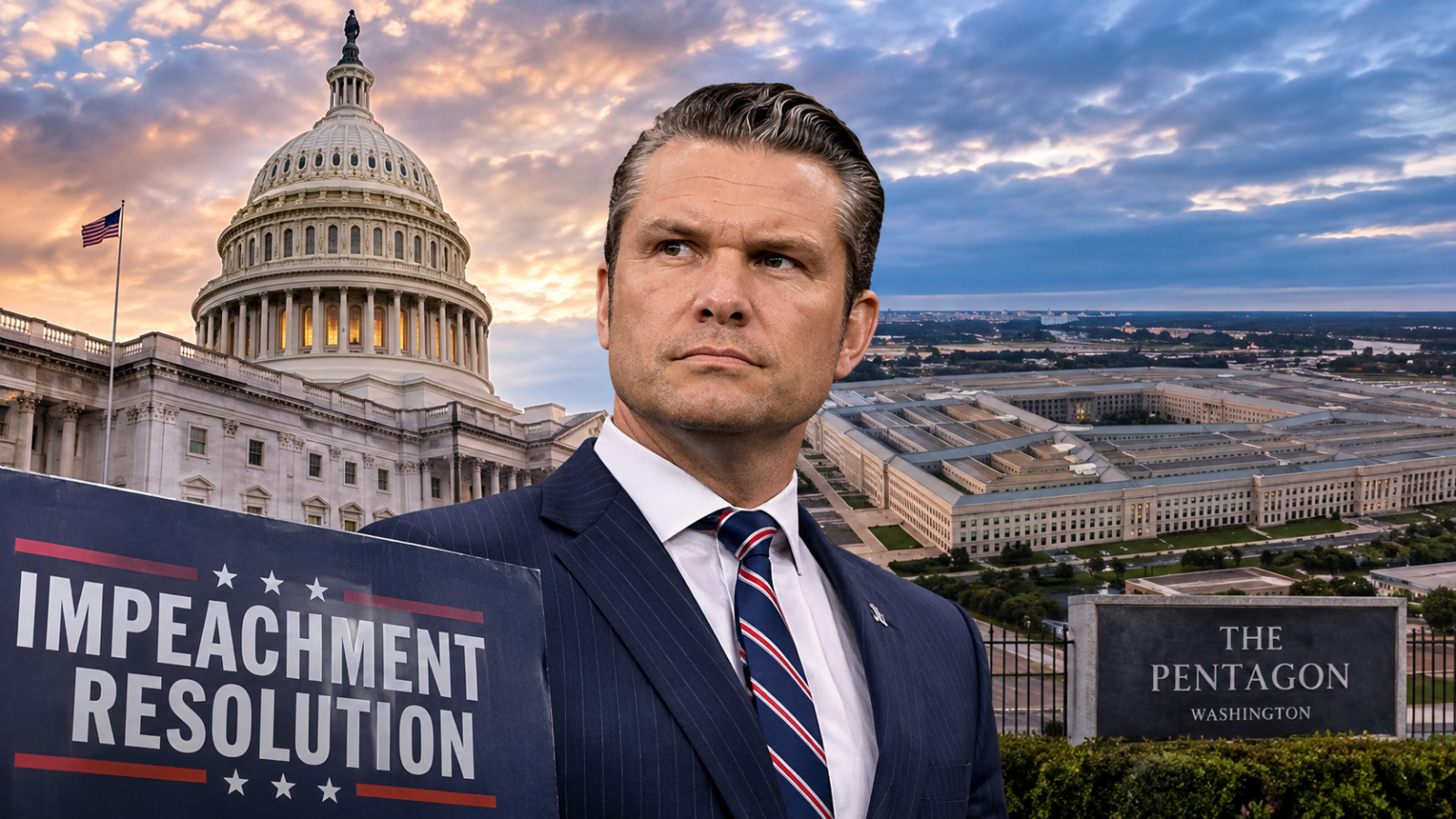
In the wake of shifts in congressional control following the U.S. midterm elections, Capitol Hill is preparing for high-stakes institutional battles. Senior Democratic lawmakers have formally signaled plans to introduce impeachment resolutions targeting Defense Secretary Pete Hegseth, setting up an immediate constitutional confrontation between the newly empowered legislative branch and executive branch leadership.
The push against the Pentagon chief reflects a sharp pivot toward aggressive legislative oversight, as incoming committee majorities prepare to use subpoena powers and budget authorizations to challenge high-profile Cabinet appointments and administrative directives.
The Impeachment Push: Institutional and Legal Grounds
The campaign to pursue impeachment proceedings against Hegseth centers on a series of contentious structural reorganizations, military command reassignments, and internal policy directives executed during his tenure at the Department of Defense. Leading Democratic figures have argued that administrative actions exceeded statutory authorities and politicized non-partisan military ranks.
Key pressure points cited by congressional leaders include:
- Senior Command Restructuring: Scrutiny over the reassignment and expedited retirements of career general officers and advisory staff.
- Defense Appropriations Audits: Demands for exhaustive financial documentation regarding the redirection of departmental procurement budgets into specialized border and domestic initiatives.
- Inter-Agency Friction: Legislative allegations that departmental protocols bypassed standard congressional notification mandates regarding foreign arms posture shifts.
The Political Calculus: A High-Stakes Partisan Collision
While an impeachment vote requires only a simple majority in the House of Representatives, conviction and removal from office necessitate a two-thirds majority in the Senate—a threshold that remains virtually insurmountable in a deeply divided chamber. Consequently, analysts view the initiative as a dual-track strategy aimed at generating continuous investigative hearings while testing party discipline ahead of fiscal debates.
| Institutional Arena | Democratic Majority Strategy | Executive Branch Defense |
|---|---|---|
| House Oversight Committees | Issuing direct subpoenas and demanding unredacted departmental memos | Invoking executive privilege and broad Commander-in-Chief authority |
| Defense Appropriations | Conditioning operational defense funding on administrative compliance | Leveraging emergency discretionary reprogramming authorities |
| Public Messaging | Focusing on institutional standards and military neutrality | Framing inquiries as partisan obstructionism against voter mandates |
West Wing Realignments and Political Rhetoric
The defense controversies emerge amid ongoing discussions over messaging strategy and executive communications within the West Wing. Following viral public speculation regarding external celebrity appointments—including floated ideas regarding UFC executive Dana White—the administration clarified that institutional communications will remain focused on countering congressional inquiries directly.
With legal teams mobilizing on both ends of Pennsylvania Avenue, the defense secretary standoff indicates that governance over the next two years will be defined by relentless committee probes, institutional friction, and high-visibility legal contests.
Related articles