
White House Power Shift: Trump Installs Stephen Miller as Chief of Staff Following Decisive Midterm Losses
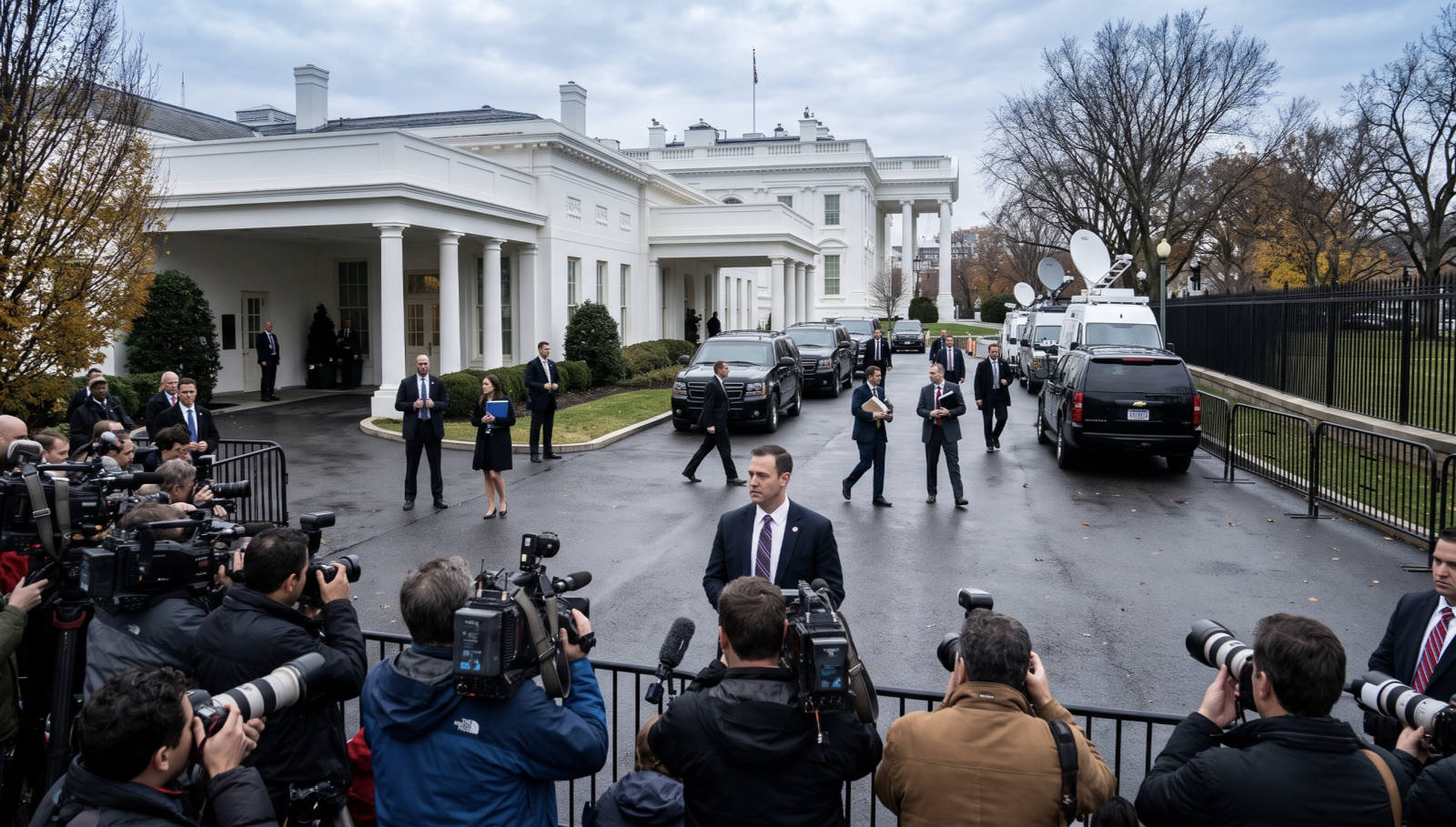
In a dramatic post-midterm realignment of executive leadership, President Donald Trump has named veteran political hard-liner Stephen Miller as his new White House Chief of Staff, succeeding Susie Wiles. The strategic reshuffle follows the midterm election cycle, in which the Democratic Party flipped dozens of congressional seats to regain majority control of the U.S. House of Representatives.
The appointment marks a pronounced operational pivot for the executive branch. Rather than adopting a conciliatory posture ahead of a divided 120th Congress, the administration's decision signals a fortified defense of executive authority and an uncompromising focus on core domestic enforcement policies.
The Midterm Reckoning: A Divided Washington Emerges
The political shakeup in Washington arrives in the immediate aftermath of sweeping congressional races that altered the balance of legislative power. Facing persistent headwinds regarding cost-of-living pressures, interest rate adjustments, and energy market debates, the governing party encountered steep losses across suburban and battleground congressional districts.
Key institutional shifts shaping the capital's political landscape include:
- House Leadership Transition: With Democrats capturing the House majority, Representative Hakeem Jeffries stands poised to take the Speaker’s gavel, setting up sharp legislative friction against executive branch budgets.
- Subpoena Power and Investigations: Control of House committee gavels will grant opposition lawmakers direct oversight over federal agencies, immigration enforcement protocols, and regulatory rulemaking.
- Legislative Stalemate: Comprehensive bipartisan compromise on appropriations, tax policies, and judicial confirmations is expected to narrow significantly, shifting governance focus to executive actions.
Why Stephen Miller? The Strategic Rationale
Stephen Miller’s elevation to the highest administrative post in the West Wing reflects an administration girding for political conflict. A key architect of the administration's strictest immigration frameworks and deregulation directives, Miller possesses an intimate knowledge of federal administrative machinery.
| Strategic Objective | Administrative Execution Focus |
|---|---|
| Executive Order Deployment | Drafting and defending unilateral presidential directives designed to bypass congressional legislative gridlock. |
| Border & Domestic Security | Accelerating inter-agency enforcement quotas across the Department of Homeland Security and federal law enforcement branches. |
| Oversight Resistance | Asserting executive privilege and legal challenges against anticipated House committee investigations and witness subpoenas. |
| Base Mobilization | Consolidating core ideological messaging ahead of contested fiscal budget debates and future national electoral cycles. |
The Policy Battlegrounds Ahead
The reconstituted West Wing team will immediately confront severe governance hurdles over the coming months. Foremost among them will be the critical December federal funding deadlines, where spending caps will require high-stakes negotiations between the newly elected House leadership and the executive branch.
Additionally, state attorneys general and civil rights groups have signaled immediate legal filings against anticipated border policy adjustments. With both parties entrenching their operational strategies, Miller's installation ensures that Washington enters an era defined by legal contests, executive confrontations, and high-intensity political standoff.
Related articles