US-Iran War at Eight Months: Where Talks Stand, What Each Side Wants and What Comes Next
Last updated: 10 November 2026. This is a fast-moving story and some claims, especially those made by governments in wartime, cannot be independently verified. Where we report a position, we attribute it to the side that holds it.
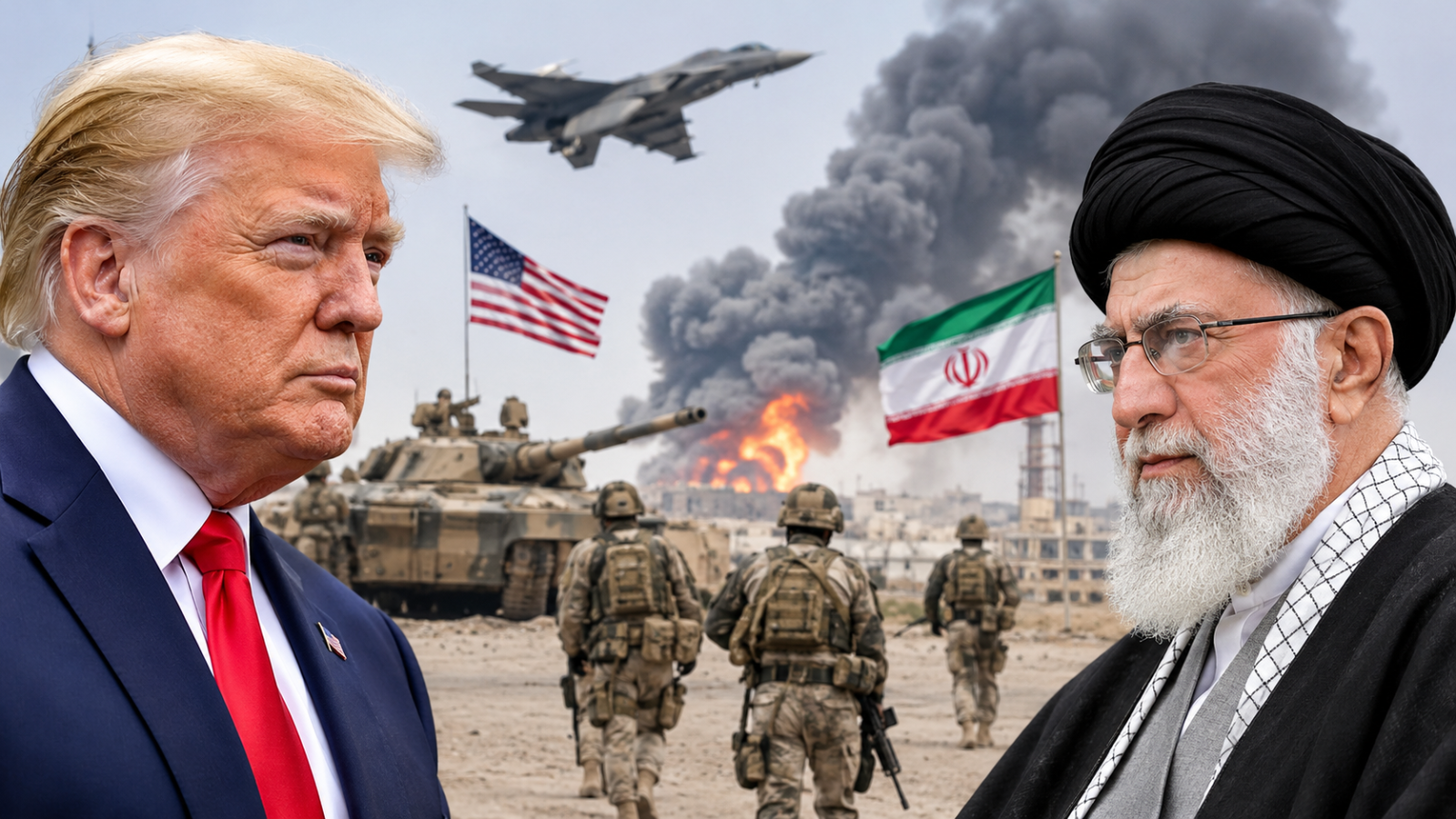
More than eight months after the United States and Israel launched strikes on Iran, the conflict is in an uneasy in-between state. Major combat has largely paused under a ceasefire that began in April, but limited strikes, attacks on shipping and a US blockade of Iranian ports have continued, and the Strait of Hormuz remains only partly open. In the past few days, diplomacy has picked up again just as the US political landscape shifted after the midterm elections. Here is a clear guide to where things stand, what each side says it wants, and why the outcome matters to ordinary Americans.
Key Takeaways
- The war began on 28 February 2026 with joint US-Israeli strikes on Iran. A two-week ceasefire took effect on 8 April and was later extended by President Trump, but exchanges of fire have recurred since.
- On 8 November, Trump told CNN that renewed strikes were "highly unlikely" if talks on Iran's nuclear programme and the reopening of Hormuz make progress, while also saying additional targets had been identified.
- Secretary of State Marco Rubio said talks were not close to a breakthrough, and Iran has said it wants sanctions and the blockade lifted before negotiations resume.
- Qatar is acting as a mediator, and its prime minister was scheduled to meet Trump at the White House on 9 November.
- Democrats won control of Congress in the 3 November midterms, which may bring new votes on the war's authorisation and funding.
How We Got Here
The United States and Israel began what they described as a pre-emptive campaign against Iran on 28 February, with President Trump announcing "major combat operations". Iran's Supreme Leader Ali Khamenei was killed in the opening strikes, and his son Mojtaba Khamenei succeeded him. Iran retaliated against US bases and Gulf states, and traffic through the Strait of Hormuz, which normally carries roughly a fifth of the world's oil trade, was severely restricted. One tally from around the time of the April ceasefire reported at least 2,076 people killed in Iran and about 26,500 wounded, though such figures are hard to verify.
Pakistan-brokered diplomacy produced a two-week ceasefire on 8 April. Talks in Islamabad on 11 April ended after roughly 21 hours with no deal. Trump extended the ceasefire while keeping a naval blockade of Iranian ports in place, saying it would remain until an agreement is signed. Since then, the truce has been repeatedly tested, with US strikes on sites such as Qeshm Island, an Iranian ground control station in September, and Iranian attacks on ships and drone launches. Iran has said at times that US strikes made the ceasefire meaningless, while the US has described its actions as self-defence.
Where the Talks Stand Now
In recent days, reports of limited US strikes have overlapped with signs of diplomatic movement. Iran sent a new proposal through Qatari mediators, but Tehran says it will discuss it only after Washington meets seven conditions, which reportedly include ending the war on all fronts, lifting the naval blockade and sanctions, and compensation for damage and for the killing of Khamenei and senior commanders. Iran's reported outline would swap an end to the blockade and some sanctions relief and a halt to bombing for Iran lifting its own restrictions on Hormuz, with nuclear talks to follow.
The US side has its own conditions. Trump says he wants a strong agreement that constrains Iran's nuclear programme and fully reopens Hormuz. Hundreds of kilograms of highly enriched uranium are believed to remain somewhere inside Iran, and that stockpile is central to the bargaining. Rubio said some Iranian demands were "outrageous and ridiculous" and that the two sides remain far apart. Iran's foreign minister, Abbas Araghchi, has argued that it is not unreasonable to ask that sanctions and the blockade be lifted before negotiations begin, and Iran maintains that enrichment is a matter of national sovereignty.
One US report said Iran may be willing to re-engage on nuclear talks, but that has not been independently confirmed. Trump has also said the US has three aircraft carriers in the region and has identified further targets, including infrastructure, if fighting resumes, while arguing that economic pressure on Iran will push its leaders toward a deal on American terms. Iran disputes that framing.
The Arguments Each Side Makes
| Position | Core argument |
|---|---|
| US administration | Military and economic pressure has weakened Iran, and a strong deal must limit its nuclear programme and reopen Hormuz. Strikes remain an option if talks fail. |
| Iran's government | Sanctions and the blockade must end before real negotiations, the war was imposed on it, and it has a sovereign right to enrich uranium. |
| War powers supporters in Congress | Only Congress can authorise war, and the administration should seek approval or end hostilities. |
| Administration allies in Congress | Restricting the president would weaken US leverage while Iran is vulnerable. |
The Political Fight at Home
Congress has been a battleground. In June, both chambers approved a war powers resolution for the first time since the War Powers Act of 1973, but it was a concurrent resolution that does not go to the president and is widely viewed as symbolic. Later attempts produced mixed results, including a House vote of 220 to 204 in September and a Senate measure that fell short in a close vote. In the 3 November midterms, Democrats won control of both chambers, and reports say Trump acknowledged the war was at least partly responsible for his party's losses. Democrats have not yet announced a new vote, but their majority gives them more tools, including hearings and control over spending. The Pentagon requested roughly $80 billion in June, mostly to fund the war.
Why It Matters for Americans
The war has shown up at the gas pump and in the broader economy. US inflation reached 3.7 percent in September, with gasoline up about a third from a year earlier, and the Federal Reserve raised interest rates for the first time since 2023. We explained how oil and shipping costs work in our guide on why fuel prices stay high even when Hormuz partly reopens, and how the Fed's response affects borrowers and savers in what the Fed rate hike means for your mortgage and savings. Oil prices eased on 9 November after Trump's comments, but they remain well above pre-war levels.
What to Watch Next
- Mediation by Qatar and others. Whether the sides agree on a sequence, such as sanctions relief before nuclear talks or the reverse, is the central sticking point.
- Shipping through Hormuz. New attacks on tankers or a meaningful rise in crossings will be the clearest practical signals.
- The new Congress. Watch for war powers votes, oversight hearings and decisions on war funding when the new session begins.
- Oil and fuel prices. They tend to move quickly on any sign of escalation or progress.
- Any independent confirmation of nuclear material locations or inspections.
The Factora Take
The most important thing to understand about this moment is that both "highly unlikely" and "not close" can be true at once. The US has signalled it would prefer a deal to renewed strikes, but the gap between each side's preconditions is still wide, and the ceasefire has proved fragile. Until there is a verified agreement, readers should treat optimistic headlines with caution, expect volatility in oil prices, and look for confirmation from multiple sources before drawing conclusions.
Frequently Asked Questions
When did the US-Iran war start?
It began on 28 February 2026 with joint US-Israeli strikes on Iran.
Is there a ceasefire between the US and Iran?
A ceasefire began on 8 April and was extended by President Trump, but there have been repeated exchanges of fire and a continuing US naval blockade of Iranian ports, so it is fragile.
What does the US want from Iran?
President Trump says he wants a strong agreement that limits Iran's nuclear programme and reopens the Strait of Hormuz.
What does Iran want?
Iran says the blockade and sanctions must be lifted and the war ended before negotiations, and it is seeking compensation. It also says it has a right to enrich uranium.
How does the war affect gas prices?
Disruption around the Strait of Hormuz has kept oil prices elevated, which has pushed gasoline prices and overall inflation higher in the United States.
Related articles