COP31 Explained: What India, the US and the World Want in Antalya
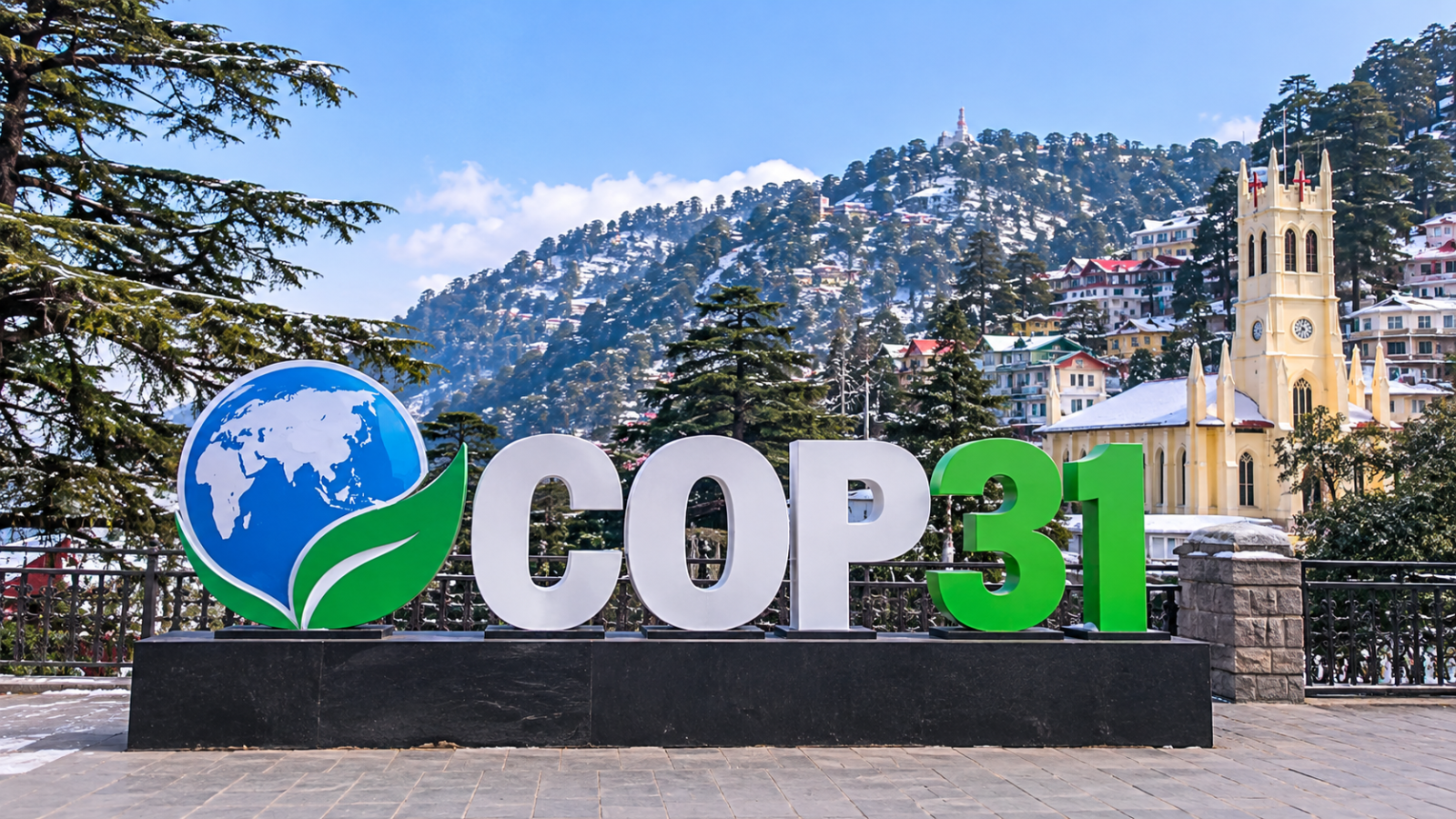
COP31, the United Nations' 31st climate conference, opened on 9 November 2026 in Antalya, Türkiye, and runs until 20 November. The big question is whether governments can turn earlier promises, above all on climate finance, into real money and action, while the United States is not taking part officially. For India, the top goal is a formal decision to launch a Climate Finance Work Programme.
Last updated: 11 November 2026. This is a fast-moving story and negotiating positions can change before the summit ends.
Key Takeaways
- COP31 is hosted by Türkiye, while Australia leads the formal negotiations. The two split the roles after a bidding deadlock.
- The US government has sent no official delegation for the second year in a row, after leaving the Paris Agreement at the start of 2026.
- India wants developed countries to deliver climate finance under Article 9.1 of the Paris Agreement, and wants adaptation indicators to stay voluntary.
- Money is expected to be the hardest topic. A UN Environment Programme report puts adaptation needs at about $305 billion a year by 2035, far above current flows.
- The host's headline idea is electrification: lifting electricity's share of global energy use from about 23% to 35% by 2035.
What COP31 Is and Who Is Running It
A "COP" is the yearly Conference of the Parties to the UN climate convention. Almost every country sends negotiators, and decisions need agreement from all of them, which is why outcomes are often watered down.
This year's setup is unusual. Türkiye's Murat Kurum holds the summit presidency and runs the "action agenda", a set of voluntary initiatives. Australia's climate minister, Chris Bowen, presides over the formal negotiations, where binding decisions are drafted. Kurum has said he wants the talks to move from new pledges to implementation. The EU's climate commissioner has called it "the COP of implementation".
Two items stand out on the formal agenda. The second global stocktake, a review of progress on the Paris goals, begins here. Adaptation talks that ended without agreement at the mid-year Bonn session also return.
Why the US Absence Matters
The US is the world's second-largest emitter today and the largest historically. Its government has no official delegation in Antalya, although some members of Congress, governors and business figures are expected to attend in a personal or non-federal capacity.
Supporters of the administration's approach argue that international climate commitments can raise energy costs and constrain domestic industry, and that Washington should decide its own energy policy. Critics, including many negotiators from vulnerable countries, argue that the absence weakens collective action and leaves a funding gap, since the US was once a major provider of climate finance. Both views are held sincerely, and the practical effect on the final text will only be clear once negotiations conclude.
India's Priorities in Antalya
India's opening statement, delivered on 10 November by the environment ministry's secretary, Narendra Bhooshan, stressed equity and the principle of "common but differentiated responsibilities". India aligned itself with the G77 and China, the Like-Minded Developing Countries group and the BASIC bloc. According to the environment ministry, India's main asks are:
- Finance: a decision to start the Climate Finance Work Programme, and delivery of public finance by developed countries under Article 9.1.
- Adaptation: indicators under the Global Goal on Adaptation should be voluntary, so they do not become conditions for receiving money. India also wants adaptation tied to farming, food security and small farmers.
- Technology: India calls technology transfer an obligation of developed countries and wants cost, patent and trade barriers addressed.
- Emissions: India is resisting new obligations on emission cuts.
Developed countries generally argue that public budgets are tight and that private capital and development banks must supply a large share of the money. India's statement set out its negotiating position and did not announce any new financial commitment.
The Money Gap in Numbers
Earlier summits set several targets that overlap, which confuses many readers. This table separates them.
| Goal | Amount | Deadline | Where agreed |
|---|---|---|---|
| Core finance goal, developed countries leading | At least $300 billion a year | 2035 | COP29, Baku |
| Broader target from all sources | $1.3 trillion a year | 2035 | COP29; roadmap noted at COP30 |
| Adaptation finance | About $40 billion (2025 goal) rising to at least triple, roughly $120 billion | 2035 | COP30, Belém |
| Estimated adaptation need | About $305 billion a year | By 2035 | UNEP Adaptation Gap Report 2026 |
Our own arithmetic shows why developing countries say the gap is large. A tripled adaptation goal of about $120 billion would cover roughly 39% of the $305 billion UNEP estimate, leaving a shortfall near $185 billion. And the $300 billion core goal is only about 23% of the $1.3 trillion headline target. These are rounded figures, and estimates of need vary by study.
Electrification: The Host's Big Idea
Türkiye is promoting a goal of electrifying 35% of global energy consumption by 2035, up from about 23% today. The IEA's executive director, Fatih Birol, has urged governments to speed up electrification. The EU, which sends its Commission president to speak on 11 November, is also pushing electrification and carbon pricing.
Supporters say it cuts exposure to oil and gas price shocks, a live concern given the Middle East conflict. Some analysts note the goal is easier for countries to accept because it does not say the electricity must come from renewables. It also sits on the voluntary action agenda rather than the binding negotiating text. To see how rising power demand already affects household costs, read our explainer on AI data centers and your electric bill, and for the energy-security angle see why fuel prices stay high after Hormuz partly reopened.
Where Key Players Stand
| Player | Main focus in Antalya |
|---|---|
| India | Climate Finance Work Programme, Article 9.1 delivery, voluntary adaptation indicators, technology transfer |
| European Union | Electrification, carbon pricing, delivering the new finance goal |
| Türkiye (host) | Action agenda: electrification, methane and waste, resilient cities |
| Australia (negotiation lead) | Concrete delivery and protection of Pacific island states; its coal and gas exports draw scrutiny |
| US government | No official delegation; outside the Paris Agreement |
What to Watch Next
- Leaders' speeches (11 to 12 November): look for any new money pledges, not only restated goals.
- The finance text: whether the Climate Finance Work Programme is launched as India and other developing countries want.
- Adaptation indicators: whether they stay voluntary or become tied to funding.
- The final decision text on 20 November: summits often overrun, so the close may slip.
- Fossil fuels: last year's summit did not agree a roadmap away from them, and the topic may return.
The Factora Take
COP31 is less about announcing bold new targets and more about proving that old ones are real. The honest test is simple: does money move, and does it reach adaptation projects such as farming resilience, flood defences and early warning systems? Readers in India and the US feel climate costs through food prices, power bills and extreme weather, so the outcome is not only a diplomatic matter. Watch the final text for delivery dates and amounts rather than adjectives.
Frequently Asked Questions
When and where is COP31?
It is being held in Antalya, Türkiye, from 9 to 20 November 2026.
Is the US taking part in COP31?
Not officially. The US government has sent no delegation for the second consecutive year, though some members of Congress and business figures are expected to attend.
What is India asking for?
India wants developed countries to honour climate finance obligations, a formal decision to launch the Climate Finance Work Programme, voluntary adaptation indicators and technology transfer.
What is Article 9.1 of the Paris Agreement?
It is the provision under which developed countries are expected to provide financial resources to help developing countries with climate action. India and other developing countries cite it to argue that public finance is an obligation.
Will COP31 produce legally binding rules?
Decisions are agreed by consensus and are political commitments under the UN process. The action agenda items, such as the electrification goal, are voluntary.
Related articles